


The Cooperation Imperative
Modern China calls for economic cooperation between China and the West.
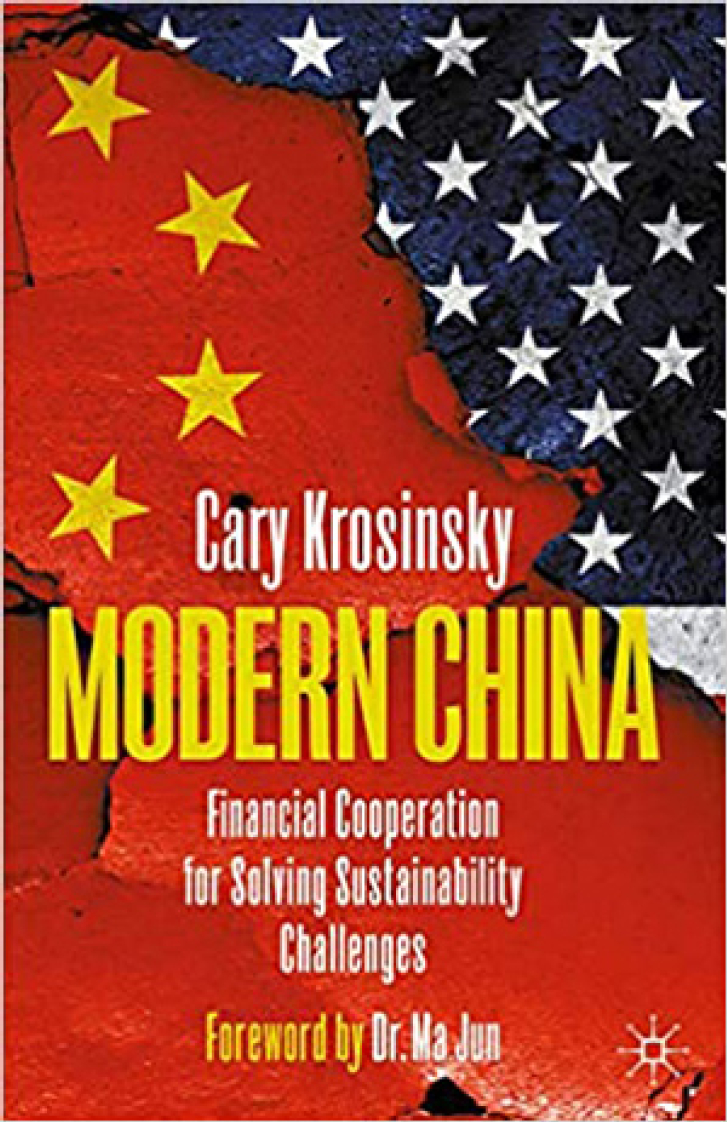
Modern China calls for economic cooperation between China and the West.

LaderaTECH is developing a hydrogel to preventatively treat areas at high risk for wildfires.

New research indicates that prawns offer an unlikely solution for an infectious disease in Senegal.

Food for Soul’s refettorios are feeding the poor, finding a solution to food waste, and building community spirit.

Consumers will never solve the climate crisis. To build sustainability, business leaders must partner with government and society to re-focus their companies on new forms of market exchange.


The key to creating a vibrant and sustainable company is to find ways to get all employees personally engaged in day-to-day corporate sustainability efforts.

The era of corporations integrating sustainable practices is being surpassed by a new age of corporations actively transforming the market to make it more sustainable. Open access to this article is made possible by The Regents of the University of Michigan on behalf of the Erb Institute.

For much of its history, Wal-Mart’s corporate management team toiled inside its “Bentonville Bubble,” narrowly focused on operational efficiency, growth, and profits. But now the world's largest retailer has widened its sights, building networks of employees, nonprofits, government agencies, and suppliers to “green” its supply chains. Here's how and why the world’s largest retailer is using a network approach to decrease its environmental footprint – and to increase its profitability.

To do as much good as possible with limited resources, funders should look to woefully underfunded protest movements.

Using artificial intelligence to predict behavior can lead to devastating policy mistakes. Health and development programs must learn to apply causal models that better explain why people behave the way they do to help identify the most effective levers for change.