The Last Hunger Season
One Acre Fund's Andrew Youn: "Agriculture is the fundamental humanitarian challenge of our time."
One Acre Fund's Andrew Youn: "Agriculture is the fundamental humanitarian challenge of our time."
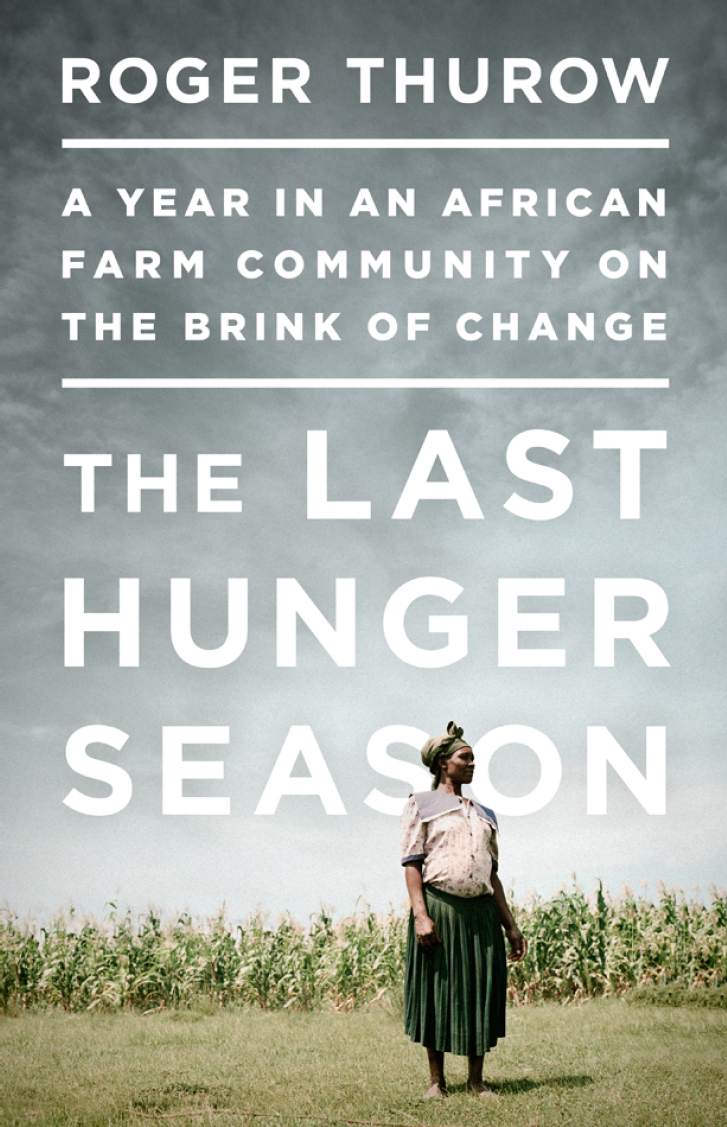
In The Last Hunger Season, Roger Thurow shares the experience of a year in Africa with four smallholder farmers.
The environment is the fifth pillar of international food security.
Exploring the role of regional models—takeaways from the University of Vermont’s first-ever food systems summit.
In this audio lecture, Dr. Ann Bartuska of the U.S. Department of Agriculture shares her insight on the necessary steps to sustainably feed the nine billion people that will be living on our planet by 2050.


With an understanding of these 10 funding models, nonprofit leaders can use the for-profit world's valuable practice of engaging in succinct and clear conversations about long-term financial strategy.

At Panera Cares cafés, there’s a donation box where customers pay on the honor system.

Disseminating innovations takes a distinct, sophisticated skill set, one that often requires customizing the program to new circumstances, not replicating.
It’s time to reform how we grow food and what we have for dinner, says Bruce Boyd, principal and managing director at Arabella Philanthropic Investment Advisors.

How businesses can transform procurement practices to strengthen farmer livelihoods and improve environmental impacts.