


sponsored
Investing in Population-Level Change
Five insights about social mobility and the role of big bet philanthropy.
Five insights about social mobility and the role of big bet philanthropy.

New experiments with civic engagement, outreach, and philanthropic models in Philadelphia offer inspiration for leaders across the social sector.

By wielding their deep experience in distressed local communities and using four methods for channeling investment into marginalized regions, foundations can play a deciding role in the success of the Opportunity Zone federal tax incentive.

Without bringing more rigor and resources to scaling impact efforts, the do-good industry will never make the exponential leaps needed to bring social innovations to millions of people.

Charitable organizations can use insights from behavioral economics to help people follow through on their impulsive and deliberative intentions to give.


Our understanding of community can help funders and evaluators identify, understand, and strengthen the communities they work with.
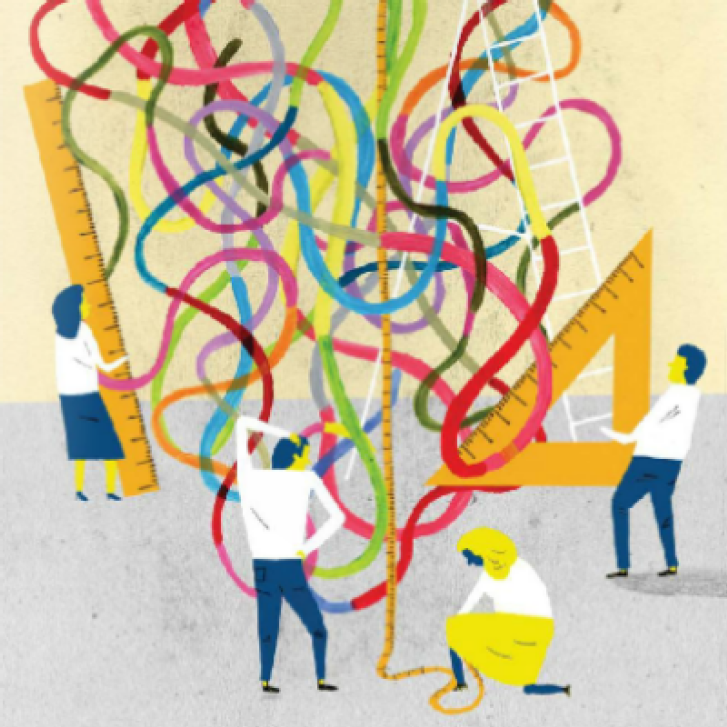
Too many people believe social value is objective, fixed, and stable, when in fact it is subjective, malleable, and variable.

These leaders’ assets go beyond experiences of oppression or marginalization to include the connection, meaning, and joy they can draw on from their respective cultures and communities.

A few nonprofits are using social media to fundamentally change the way they work and increase their social impact.

A clear definition of equity would seem paramount to galvanizing philanthropy into action around this increasingly used term—but the field is only beginning to explore what it really means.