Whither Big Philanthropy
A growing chorus of critics are questioning whether big philanthropy is actually a good thing.

A growing chorus of critics are questioning whether big philanthropy is actually a good thing.
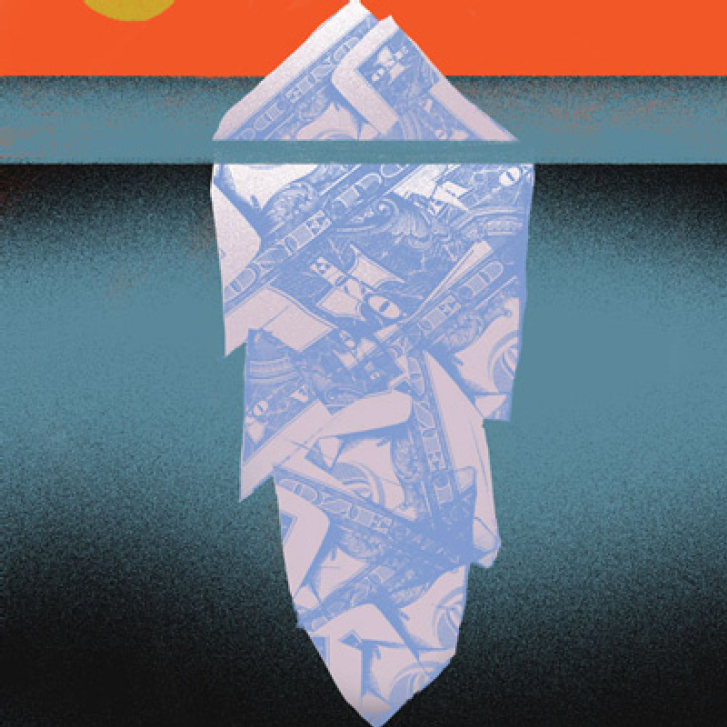
Nonprofits need a strategy to ensure that public dollars don’t put them in the red.
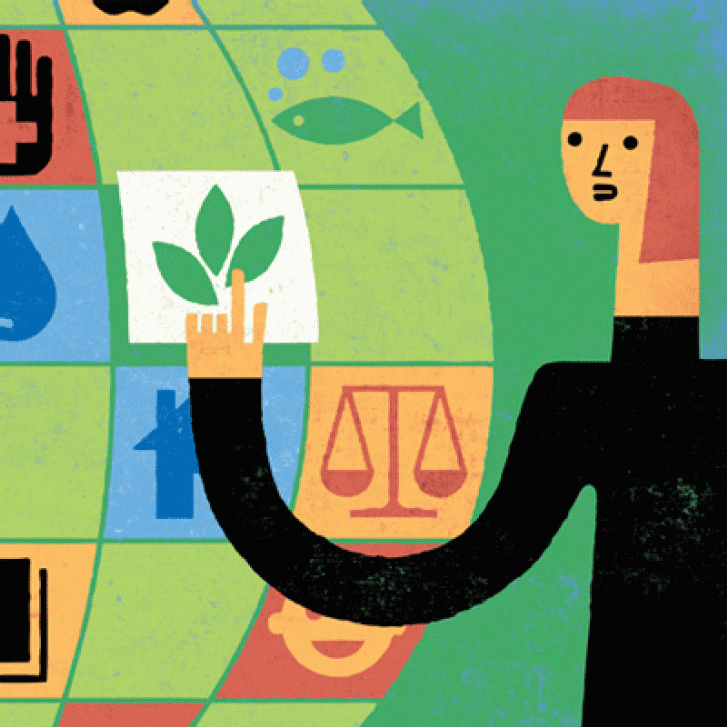
Proposals for grants can offer a wealth of ideas and information to the nonprofit community, if foundations take the right steps.
While there are many potential barriers to utilizing power ethically and responsibly, funders can—and must—overcome them to truly advance equity and justice.
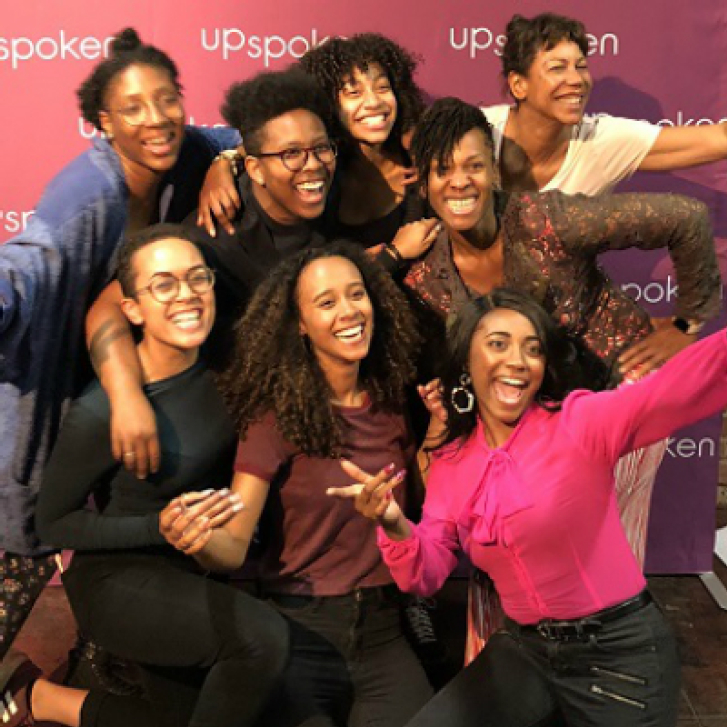
By speaking up about money and acknowledging the many choices they have, funders can more effectively channel their full spectrum of resources to achieve change.


Our understanding of community can help funders and evaluators identify, understand, and strengthen the communities they work with.
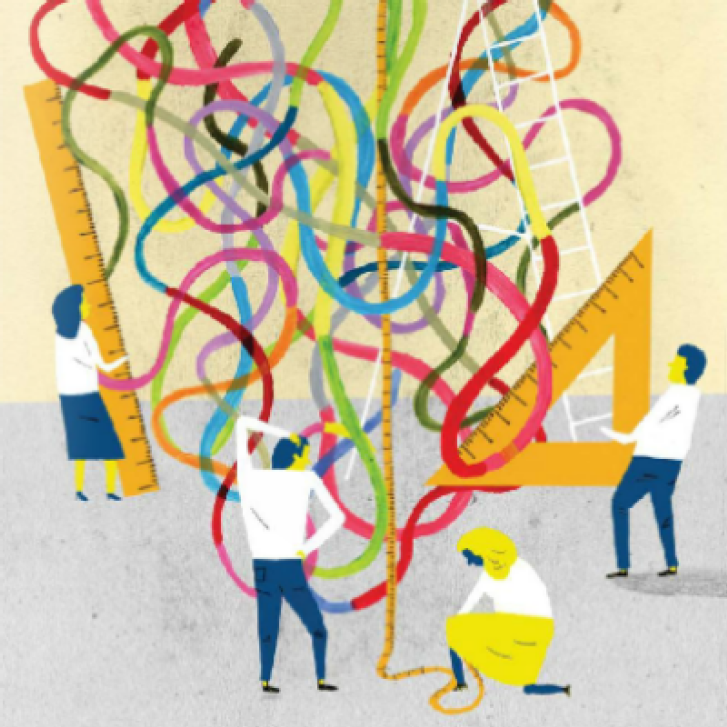
Too many people believe social value is objective, fixed, and stable, when in fact it is subjective, malleable, and variable.

These leaders’ assets go beyond experiences of oppression or marginalization to include the connection, meaning, and joy they can draw on from their respective cultures and communities.

A few nonprofits are using social media to fundamentally change the way they work and increase their social impact.

A clear definition of equity would seem paramount to galvanizing philanthropy into action around this increasingly used term—but the field is only beginning to explore what it really means.