What Social Sector Leaders Think About Feedback
An SSIR survey of nearly 2,000 leaders of nonprofits, foundations, and other charitable organizations revealed that they believe feedback is important but still struggle with figuring out how to do it.

An SSIR survey of nearly 2,000 leaders of nonprofits, foundations, and other charitable organizations revealed that they believe feedback is important but still struggle with figuring out how to do it.

A transnational program focused on equality shows that engaging with conflict and difference is vital to the growth and effectiveness of social movements and broader change.
Growing confusion about impact investing's key principles and practices has it headed for a fall.
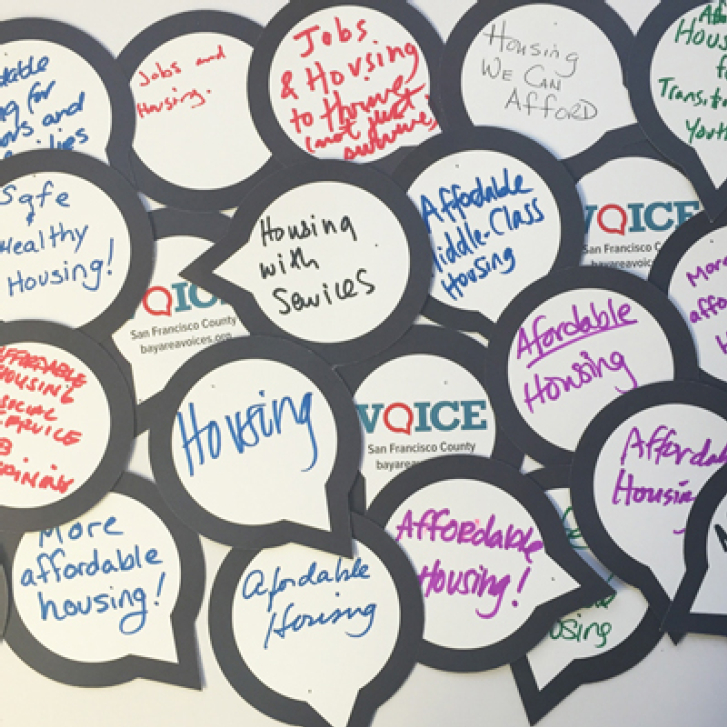
Based on feedback from community listening sessions and consultations with local experts, The San Francisco Foundation reshaped its grantmaking strategy and role in addressing the inequities facing Bay Area residents. Part of a series produced for SSIR with the support of the Hewlett Foundation.

“Resilience” is a favorite buzzword these days, but what does it really mean, and how can grantmakers and nonprofits take practical steps toward achieving it?


Our understanding of community can help funders and evaluators identify, understand, and strengthen the communities they work with.

Too many people believe social value is objective, fixed, and stable, when in fact it is subjective, malleable, and variable.

These leaders’ assets go beyond experiences of oppression or marginalization to include the connection, meaning, and joy they can draw on from their respective cultures and communities.

A few nonprofits are using social media to fundamentally change the way they work and increase their social impact.

A clear definition of equity would seem paramount to galvanizing philanthropy into action around this increasingly used term—but the field is only beginning to explore what it really means.