
We Should Expect Good Giving To Be Hard
Great giving opportunities are few and far between; I believe in urging them to give to only the very best charities.
Great giving opportunities are few and far between; I believe in urging them to give to only the very best charities.
An interview with Phillip Henderson about the challenges he faces as the president of the Surdna Foundation.
Is it accurate or even appropriate for funders to think of themselves as—and act like—investors?
A game development initiative brings individuals together to achieve real-world social change.
The Pay For Success program and Social Innovation Fund are examples of the government turning to philanthropy for help selecting the effective programs.


Our understanding of community can help funders and evaluators identify, understand, and strengthen the communities they work with.
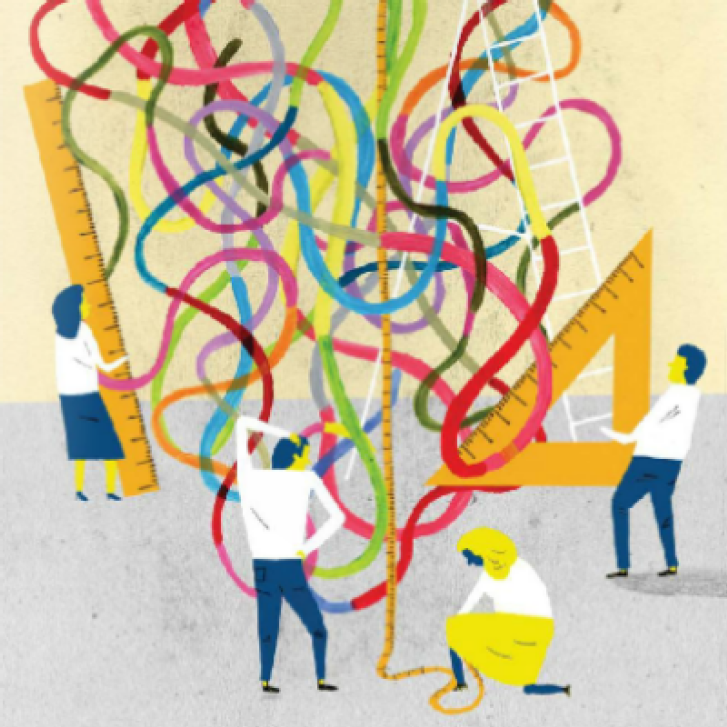
Too many people believe social value is objective, fixed, and stable, when in fact it is subjective, malleable, and variable.
These leaders’ assets go beyond experiences of oppression or marginalization to include the connection, meaning, and joy they can draw on from their respective cultures and communities.
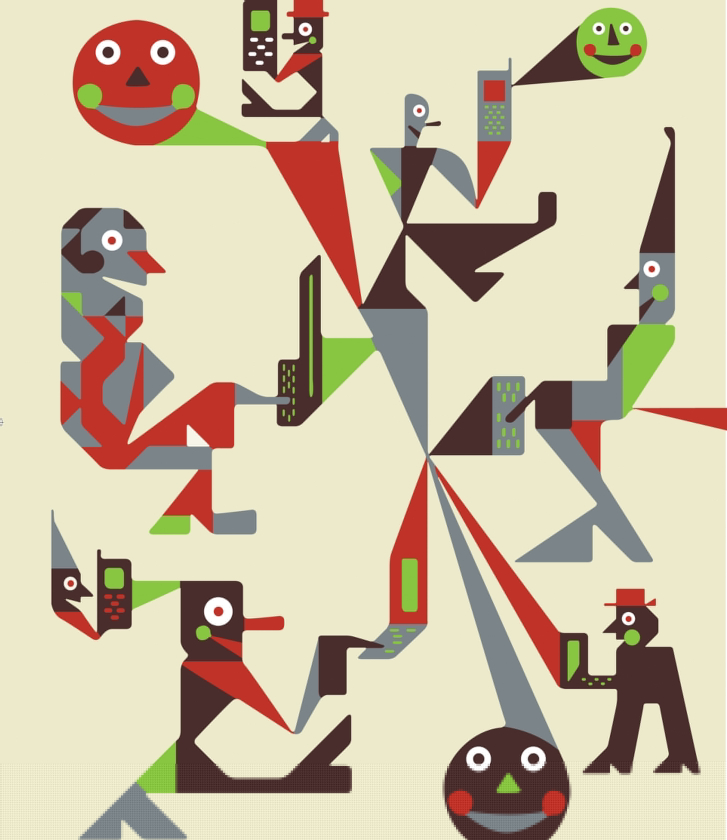
A few nonprofits are using social media to fundamentally change the way they work and increase their social impact.

A clear definition of equity would seem paramount to galvanizing philanthropy into action around this increasingly used term—but the field is only beginning to explore what it really means.