Social Innovation in Washington, D.C.
A look at what’s needed next to create the right policy environment for innovation and results.

A look at what’s needed next to create the right policy environment for innovation and results.

The founder of the Kashf Foundation argues that microfinance can improve the lives of Pakistan’s next generation.

There are unconventional methods one can use to evaluate advocacy organizations and make strategic investments in that arena.
One foundation leader is demonstrating what a community foundation can do to defend nonprofits in their area from state budget cuts.

Rajesh Shah, a 2010 Tech Award winner, shares his social entrepreneurship model that leverages technology, new media, and peer interaction to solve the water crisis.


Our understanding of community can help funders and evaluators identify, understand, and strengthen the communities they work with.
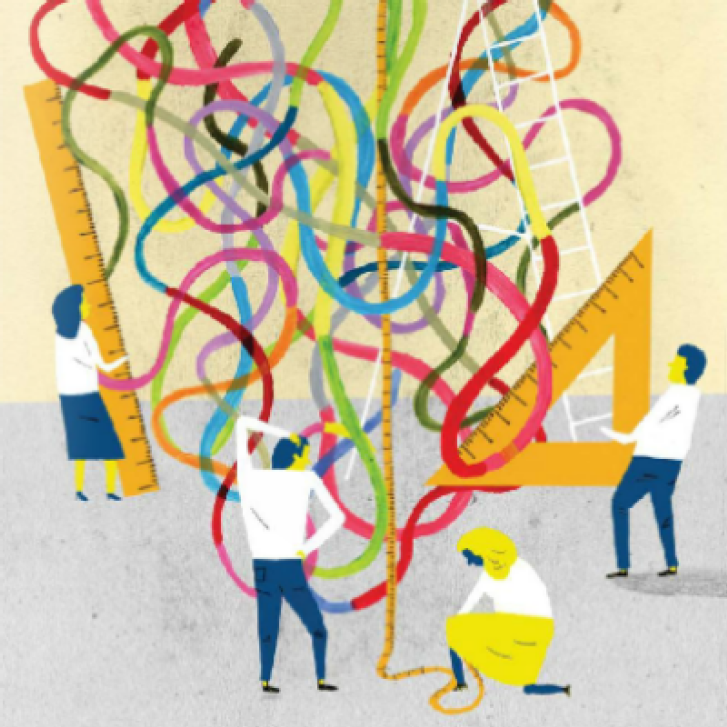
Too many people believe social value is objective, fixed, and stable, when in fact it is subjective, malleable, and variable.

These leaders’ assets go beyond experiences of oppression or marginalization to include the connection, meaning, and joy they can draw on from their respective cultures and communities.

A few nonprofits are using social media to fundamentally change the way they work and increase their social impact.

A clear definition of equity would seem paramount to galvanizing philanthropy into action around this increasingly used term—but the field is only beginning to explore what it really means.