


How Fair Trade Grew
Variances in the experience of producer countries strongly affect how fair trade markets have evolved.

Variances in the experience of producer countries strongly affect how fair trade markets have evolved.

In China, a new kind of NGO has started to embed the values of civil society in its provision of social services.

Rather than replicating “one-size-fits-all” solutions across different settings, international development innovators need to identify the core aspects they can effectively and efficiently scale up.
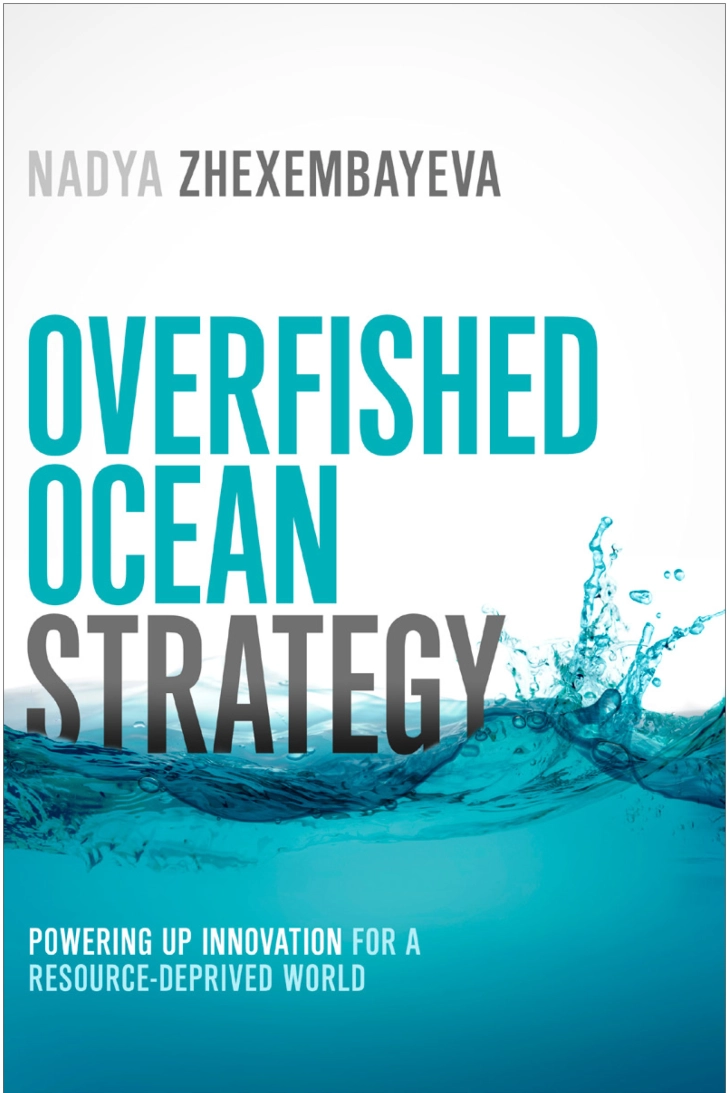
Overfished Ocean Strategy: Powering Up Innovation for a Resource-Deprived World is a book about business innovation and the specific principles that allow companies to navigate empty economic oceans with grace.

An ethical framework can bridge the worlds of startup technology and international development to strengthen cross-sector innovation in the social sector.


Large-scale social change requires broad cross-sector coordination, not the isolated intervention of individual organizations.
With an understanding of these 10 funding models, nonprofit leaders can use the for-profit world's valuable practice of engaging in succinct and clear conversations about long-term financial strategy.

By working closely with the clients and consumers, design thinking allows high-impact solutions to social problems to bubble up from below rather than being imposed from the top.

Fair Trade-certified coffee is growing in sales, but strict certification requirements are resulting in uneven economic advantages for coffee growers and lower quality coffee for consumers.

Our understanding of community can help funders and evaluators identify, understand, and strengthen the communities they work with.