


Big Data for Social Innovation
Nonprofits lag behind business and science in using big data effectively.

Nonprofits lag behind business and science in using big data effectively.
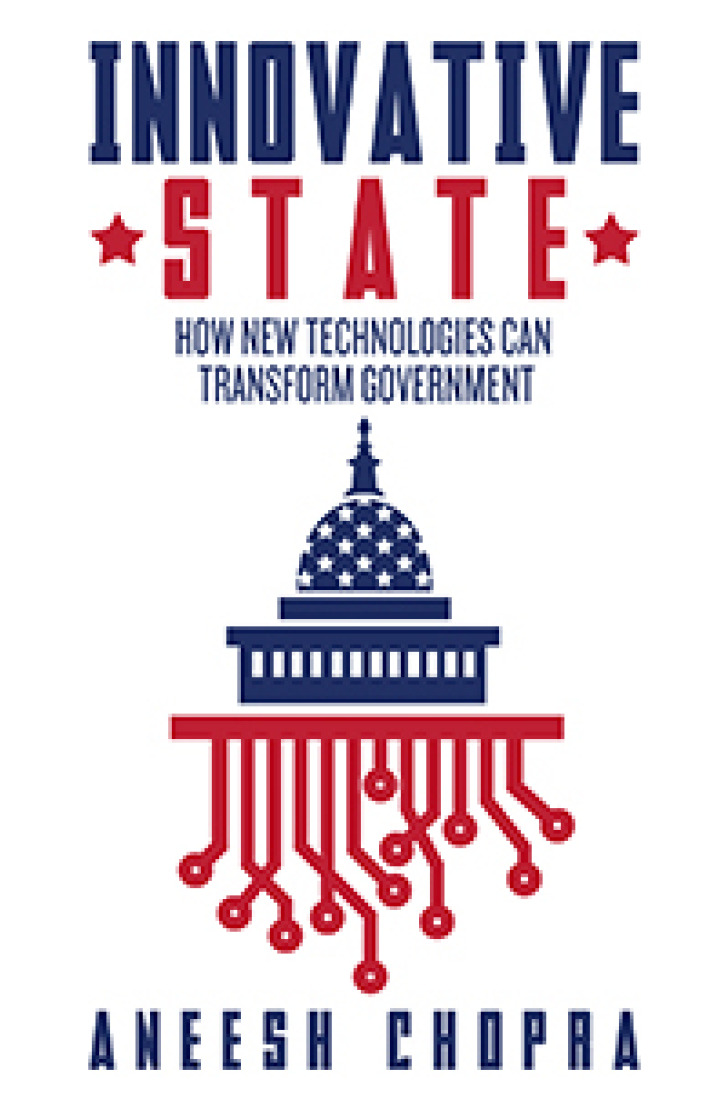
The first chief technology officer of the United States offers a vision for remaking public services.

GiveDirectly relies on high tech and hard data to test whether large cash transfers can alleviate extreme poverty.

In London, the YMCA is combining prefab construction with stylish design to create a new kind of affordable home.
A Web-based initiative uses analysis of social media chatter to locate hotspots of antisocial behavior.


Large-scale social change requires broad cross-sector coordination, not the isolated intervention of individual organizations.

With an understanding of these 10 funding models, nonprofit leaders can use the for-profit world's valuable practice of engaging in succinct and clear conversations about long-term financial strategy.

By working closely with the clients and consumers, design thinking allows high-impact solutions to social problems to bubble up from below rather than being imposed from the top.

Fair Trade-certified coffee is growing in sales, but strict certification requirements are resulting in uneven economic advantages for coffee growers and lower quality coffee for consumers.

Our understanding of community can help funders and evaluators identify, understand, and strengthen the communities they work with.