


sponsored
We Must Be Founders
To fulfill this nation’s promise as a multiracial democracy requires more than tinkering around the edges. Renewal requires bottom-up transformation.
To fulfill this nation’s promise as a multiracial democracy requires more than tinkering around the edges. Renewal requires bottom-up transformation.

Every social system has its own unique and self-reinforcing characteristics, practices, and vocabularies. Learning to span these boundaries is a prerequisite for any significant change effort.

Comprehensive reparations are fundamental to realizing our highest democratic ideals.
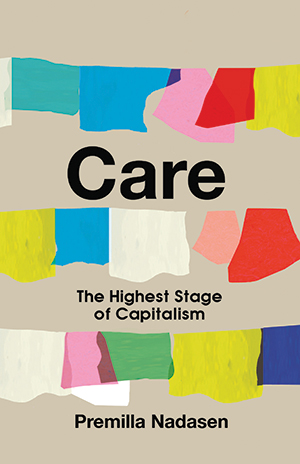
Premilla Nadasen’s Care: The Highest Stage of Capitalism demonstrates how the labor of caring is a site of economic extraction.

Why building capacity for design into mental health policymaking will produce more effective services.


Large-scale social change requires broad cross-sector coordination, not the isolated intervention of individual organizations.

With an understanding of these 10 funding models, nonprofit leaders can use the for-profit world's valuable practice of engaging in succinct and clear conversations about long-term financial strategy.

Laws and programs designed to benefit vulnerable groups, such as the disabled or people of color, often end up benefiting all of society.
Too many people believe social value is objective, fixed, and stable, when in fact it is subjective, malleable, and variable.

Six pathways to making housing more affordable and available from the Ivory Prize for Housing Affordability.