


Making the Government Adoption of Social Innovations Work
How small and medium NGOs and social enterprises can help the public sector successfully adopt and scale their innovations.
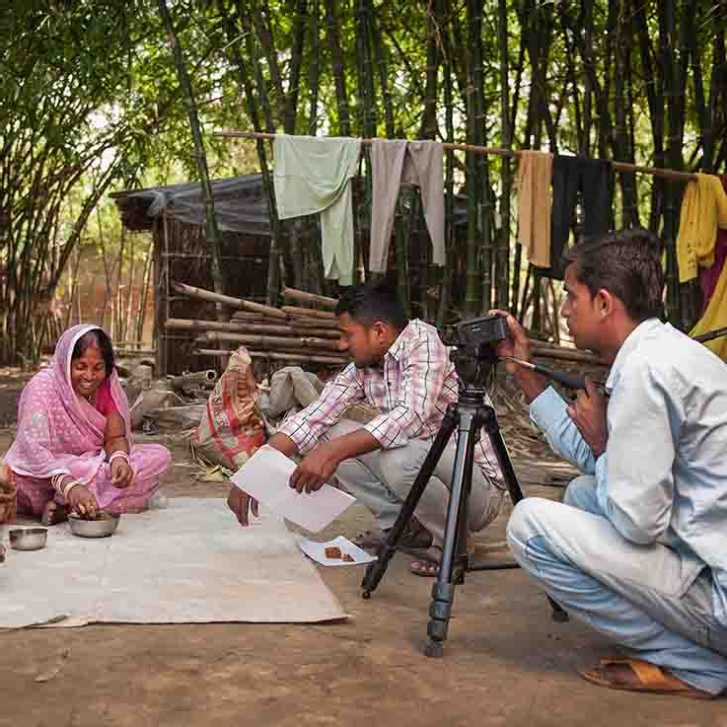
How small and medium NGOs and social enterprises can help the public sector successfully adopt and scale their innovations.
An excerpt from How Social Science Got Better on how the social sciences are becoming more relevant, diverse, and reflective.

Championing initiatives is not enough. Philanthropy must fund their implementation and build power in communities to keep the ball moving.
An excerpt from Public Goods, Sustainable Development and the Contribution of Business reconsiders the public goods concept and puts forth models for business and the public sectors to respond to the global challenges that our post-COVID-19 world is facing.
How does current US tax law affect charitable giving? What do these policies mean for nonprofits and donors? What strategies maximize the amount of money coming into charitable organizations? SSIR publisher Michael Voss speaks with Mike Townsend of Charles Schwab and Company and Hayden Adams of the Schwab Center for Financial Research to help donors and nonprofits think through the impact of tax policies on charitable funding. A sponsored podcast developed with the support of DAFgiving360.


Large-scale social change requires broad cross-sector coordination, not the isolated intervention of individual organizations.

With an understanding of these 10 funding models, nonprofit leaders can use the for-profit world's valuable practice of engaging in succinct and clear conversations about long-term financial strategy.

Laws and programs designed to benefit vulnerable groups, such as the disabled or people of color, often end up benefiting all of society.
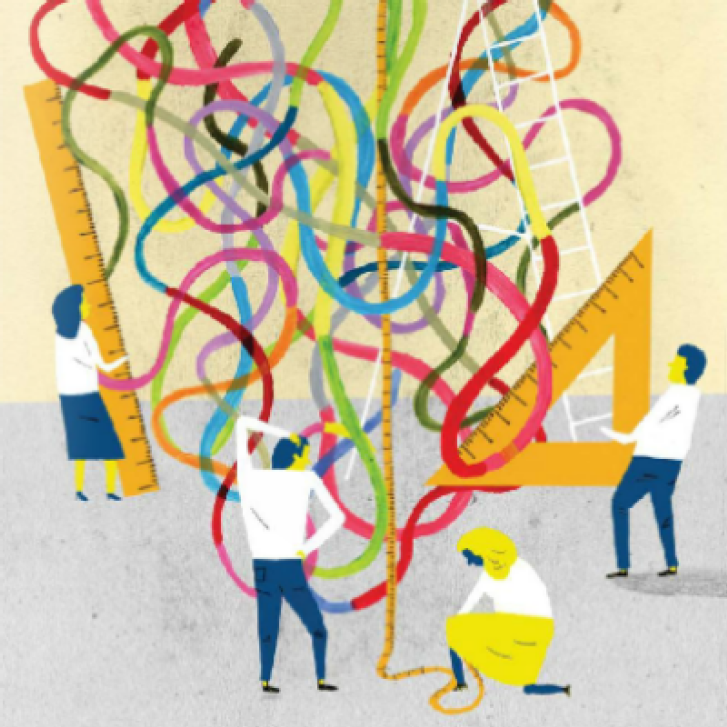
Too many people believe social value is objective, fixed, and stable, when in fact it is subjective, malleable, and variable.

Six pathways to making housing more affordable and available from the Ivory Prize for Housing Affordability.