


Fail-Safe Keeping of Personal Records
The MyPass Austin project aims to help people experiencing homelessness by using blockchain technology to secure their personal documents. From the What's Next department of the Summer 2019 issue.
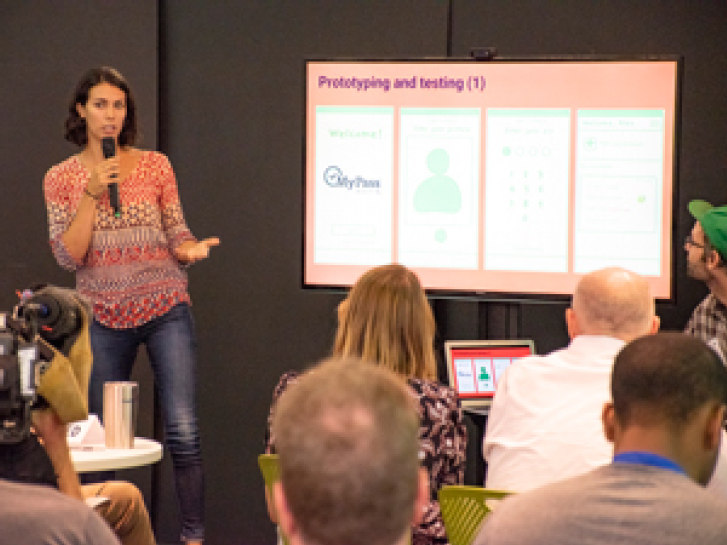
The MyPass Austin project aims to help people experiencing homelessness by using blockchain technology to secure their personal documents. From the What's Next department of the Summer 2019 issue.
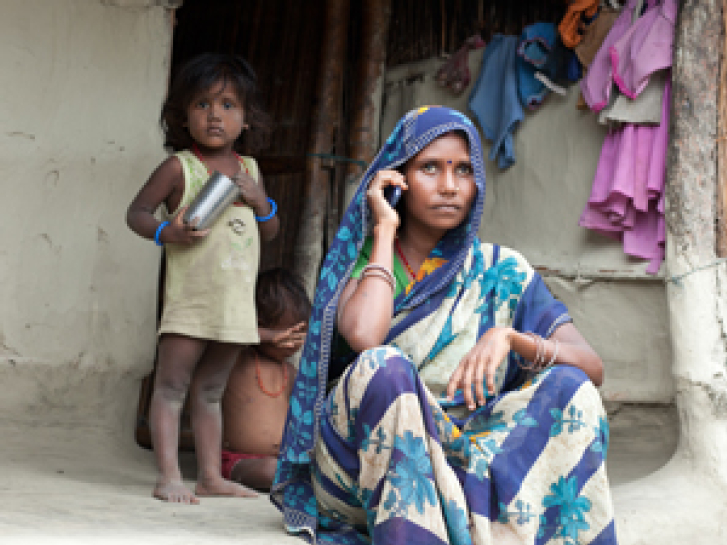
Three lessons from a long-term partnership to reach more than 100 million people with better health care in India.

When fewer Americans than ever believe government is meeting their needs, a new approach that elevates the voices of citizens is long overdue. User-centered design holds great promise in a well-defined set of circumstances.
Local governments and philanthropy are missing out on one of the biggest opportunities to positively affect the census: supporting the application of modern technology to increase the chances of a more complete count.

Philanthropic and social change organizations have much to learn from China's success with alleviating poverty through reforms targeting entrepreneurialism, governance, businesses, and women.


Large-scale social change requires broad cross-sector coordination, not the isolated intervention of individual organizations.

With an understanding of these 10 funding models, nonprofit leaders can use the for-profit world's valuable practice of engaging in succinct and clear conversations about long-term financial strategy.

Laws and programs designed to benefit vulnerable groups, such as the disabled or people of color, often end up benefiting all of society.
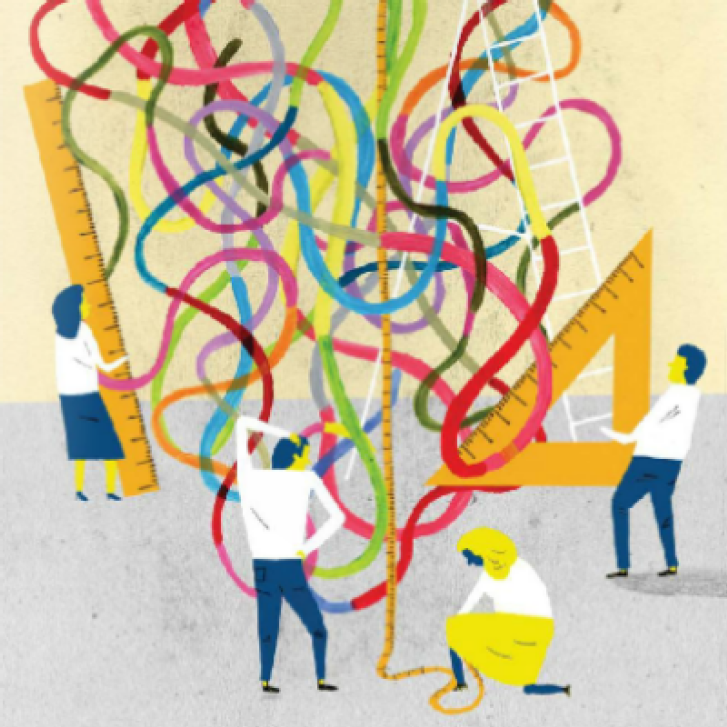
Too many people believe social value is objective, fixed, and stable, when in fact it is subjective, malleable, and variable.

Six pathways to making housing more affordable and available from the Ivory Prize for Housing Affordability.