
In Development Work, Plan for Sailboats, Not Trains
Much of the international development community remains stuck in its old ways, focused on short time horizons, rigid planning, and unproductive evaluation.
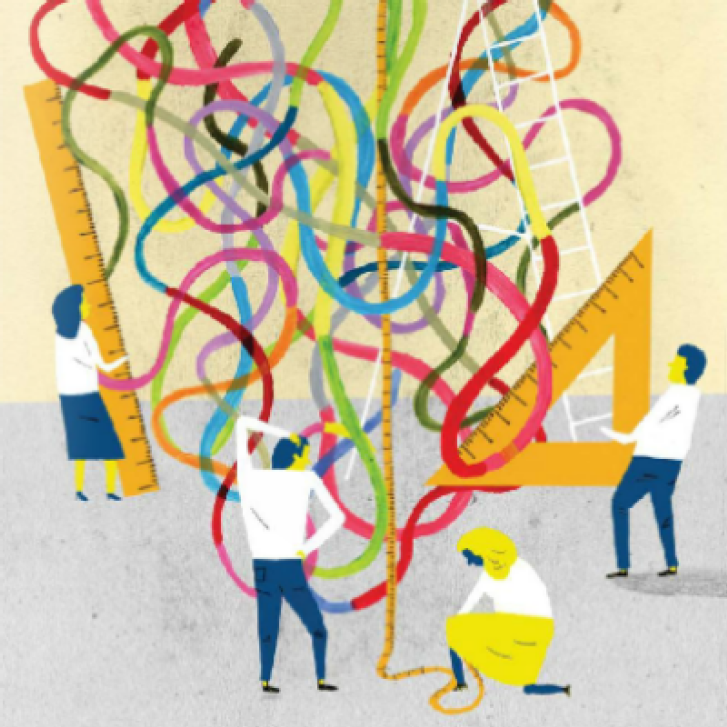
Much of the international development community remains stuck in its old ways, focused on short time horizons, rigid planning, and unproductive evaluation.
Inclusive governance will require that civil society, government, and industry work together to empower citizens.
In the Netherlands, a modest experiment in welfare policy taps into a very big idea: universal basic income.
An online platform for “microbonds” promises to make it easier for people to invest public works projects.

Some big law firms are venturing into developing regions to offer voluntary services and to advance the rule of law.


Large-scale social change requires broad cross-sector coordination, not the isolated intervention of individual organizations.

With an understanding of these 10 funding models, nonprofit leaders can use the for-profit world's valuable practice of engaging in succinct and clear conversations about long-term financial strategy.

Laws and programs designed to benefit vulnerable groups, such as the disabled or people of color, often end up benefiting all of society.
Too many people believe social value is objective, fixed, and stable, when in fact it is subjective, malleable, and variable.

Six pathways to making housing more affordable and available from the Ivory Prize for Housing Affordability.