


The Invisible Rural Access Barrier
More than one billion people live in rural, isolated areas in low-income countries. Improving their access to roads and transportation is a prerequisite to unlocking better health, education, and economic outcomes.
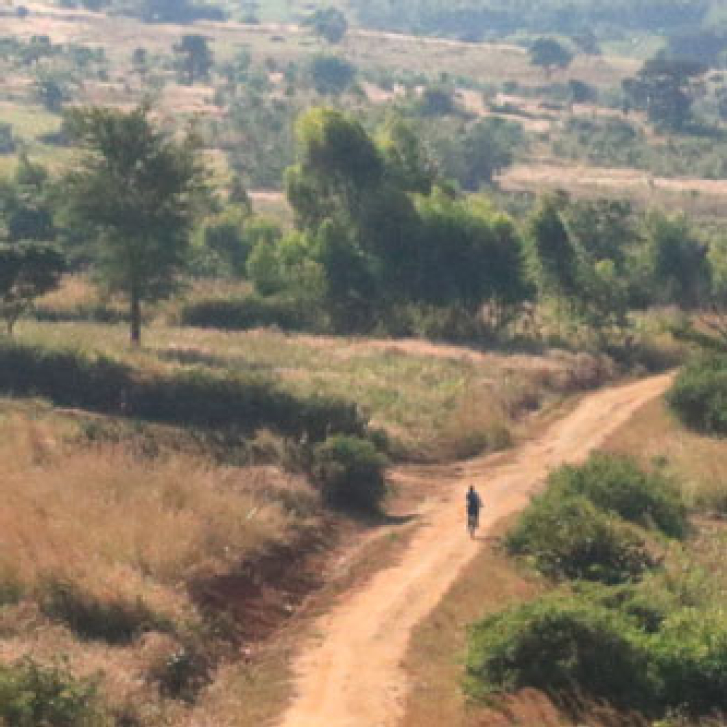
More than one billion people live in rural, isolated areas in low-income countries. Improving their access to roads and transportation is a prerequisite to unlocking better health, education, and economic outcomes.

An excerpt from The Microstress Effect on tapping into relationships to mitigate the effects of cumulative microstress

An excerpt from Calm Living on feeling with colors.
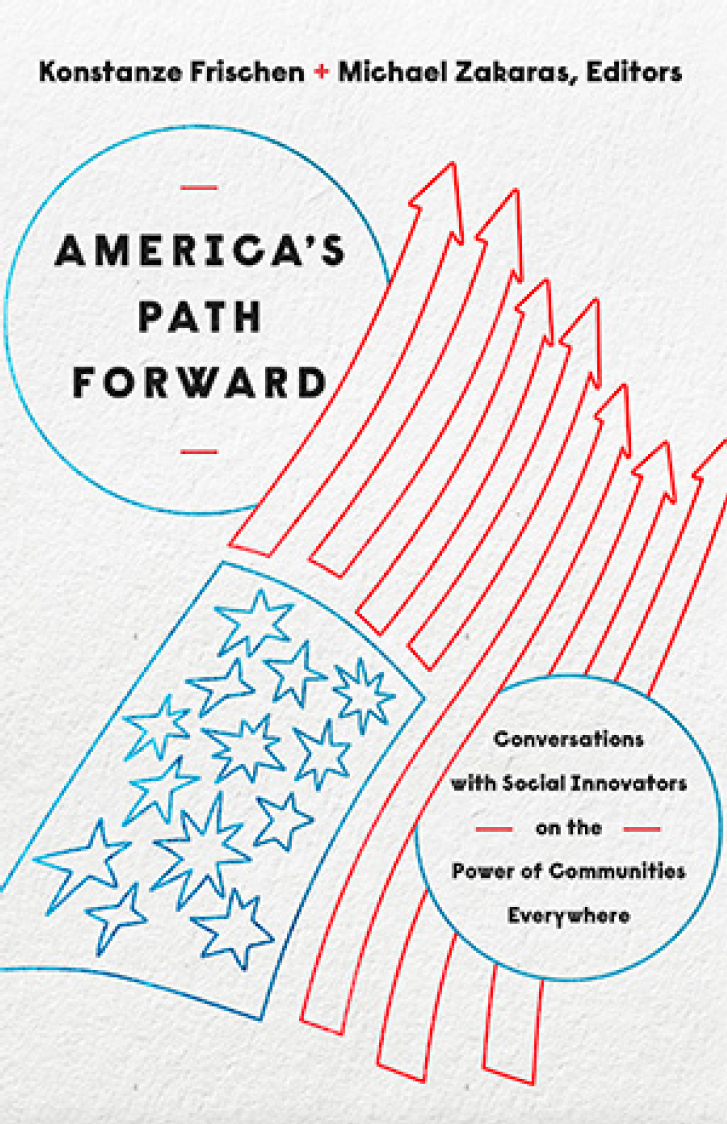
An excerpt from America’s Path Forward on prioritizing the joy and health and proximate leadership of Black women.
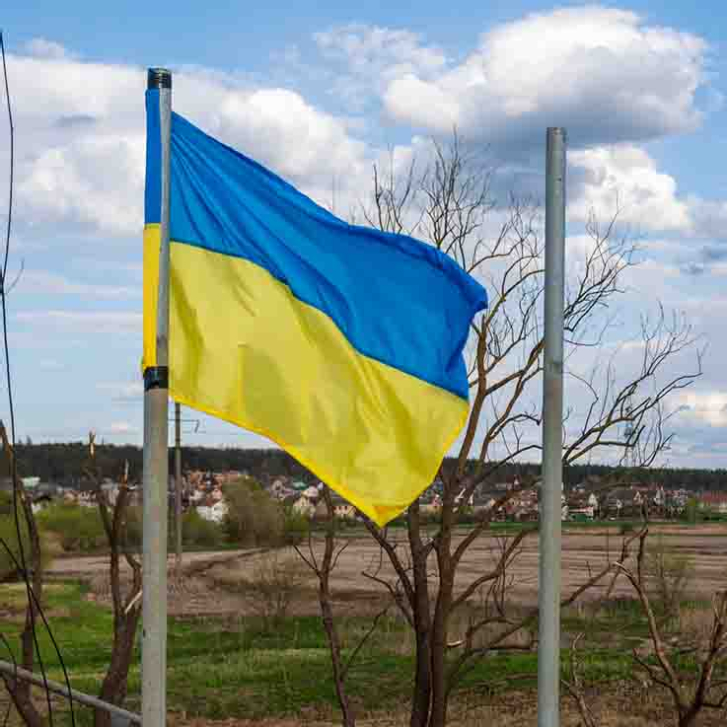
We’re seeing remarkable advances in telemedicine stemming from the international aid response to the war in Ukraine. What have we learned that could be applied in the United States and globally?


Our understanding of community can help funders and evaluators identify, understand, and strengthen the communities they work with.

Two veterans of consumer psychology, marketing, and entrepreneurship provide a guide to using social media for social change.

Instead of pressuring already-stressed individuals to fix themselves, true wellness requires organization-level interventions.

Using artificial intelligence to predict behavior can lead to devastating policy mistakes. Health and development programs must learn to apply causal models that better explain why people behave the way they do to help identify the most effective levers for change.

Two years ago I quit my nonprofit CEO job. I’ve just had the two most productive years of my career.