


What ‘Cash Plus’ Programs Teach Us About Fighting Extreme Poverty
Years of implementing, studying, and iterating on cash transfer programs have revealed some important lessons about achieving long-term impact.

Years of implementing, studying, and iterating on cash transfer programs have revealed some important lessons about achieving long-term impact.

Highlights from book excerpts published by SSIR online this year on topics including mutualism, grassroots development, breakthrough ideas, racial injustice, and well-being.
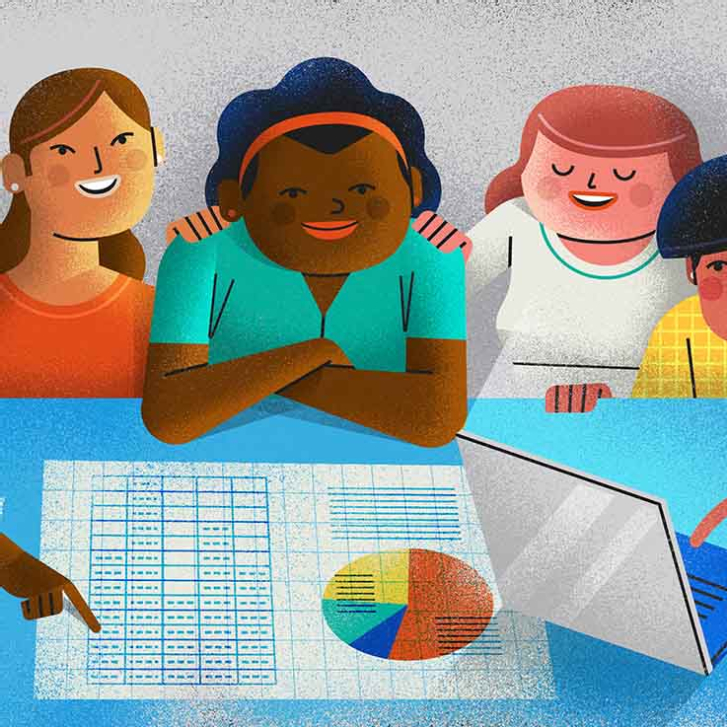
Understanding data and using it effectively in collective impact can help achieve short- and long-term progress on shared goals.

A look at how the collective impact initiative StriveTogether is enlisting data to resolve systemic barriers that limit opportunity for children and families of color in the United States.

Three ways to be more equitable and inclusive with your data and data visualizations.


Funders are calling for more program evaluation, but nonprofits are often collecting dubious data, at great cost to themselves and ultimately to the people they serve.

For NGOs, impact comes in different forms and to track the cycles of social change work, we must think across the tangibility and the speed of emergence of change.

With an understanding of these 10 funding models, nonprofit leaders can use the for-profit world's valuable practice of engaging in succinct and clear conversations about long-term financial strategy.

Conventional wisdom says that scaling social innovation starts with strengthening internal management capabilities. This study of 12 high-impact nonprofits, however, shows that real social change happens when organizations go outside their own walls and find creative ways to enlist the help of others.

Unethical behavior remains a persistent problem in nonprofits and for-profits alike. To help organizations solve that problem, the authors examine the factors that influence moral conduct, the ethical issues that arise specifically in charitable organizations, and the best ways to promote ethical behavior within organizations.