



Making Nonprofit Collaboration a Foundation Strategy: The Lodestar Foundation
The Lodestar Foundation supports nonprofit collaborations, mergers, and other cooperative activities as a major strategy.
The Lodestar Foundation supports nonprofit collaborations, mergers, and other cooperative activities as a major strategy.

How does an organization get through the evaluation process and live to tell about it? In this panel, part of the Stanford Social Innovation Review's conference on evaluation, funders and fundees on both sides of the table from a variety of organizations in the areas of education and social services talk about what it was like to be in the trenches of successful evaluation processes. They tease out common success factors, including how to work collaboratively across sectors and with multiple constituents.
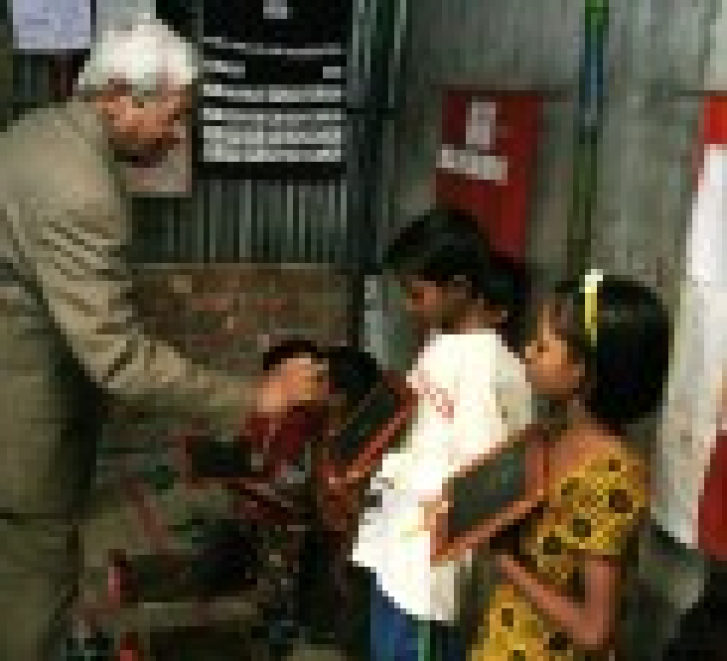
Serving more than 110 million people per year, BRAC is the largest nonprofit in the world. Yet it doesn't receive the most charitable donations. Instead, BRAC's social enterprises generate 80 percent of the organization's annual budget. These revenues have allowed the organization to develop, test, and replicate some of the world's most innovative antipoverty programs.
A new evaluation tool allows donors and investors to track their investments and compare their data to those of organizations doing similar work.
Mathematical tool helps countries weigh the pros and cons of using biofuel.


Funders are calling for more program evaluation, but nonprofits are often collecting dubious data, at great cost to themselves and ultimately to the people they serve.

For NGOs, impact comes in different forms and to track the cycles of social change work, we must think across the tangibility and the speed of emergence of change.

With an understanding of these 10 funding models, nonprofit leaders can use the for-profit world's valuable practice of engaging in succinct and clear conversations about long-term financial strategy.

Conventional wisdom says that scaling social innovation starts with strengthening internal management capabilities. This study of 12 high-impact nonprofits, however, shows that real social change happens when organizations go outside their own walls and find creative ways to enlist the help of others.

Unethical behavior remains a persistent problem in nonprofits and for-profits alike. To help organizations solve that problem, the authors examine the factors that influence moral conduct, the ethical issues that arise specifically in charitable organizations, and the best ways to promote ethical behavior within organizations.