


sponsored
Shifting to a Stakeholder Economy
As society looks to the business world to solve the most pressing social and environmental issues, corporations are changing the way they are structured to fulfill their duties and new responsibilities.

As society looks to the business world to solve the most pressing social and environmental issues, corporations are changing the way they are structured to fulfill their duties and new responsibilities.
Despite financial risks, the traditional business landscape in Korea is shifting to a model that focuses on the pursuit of social good in addition to profitability.
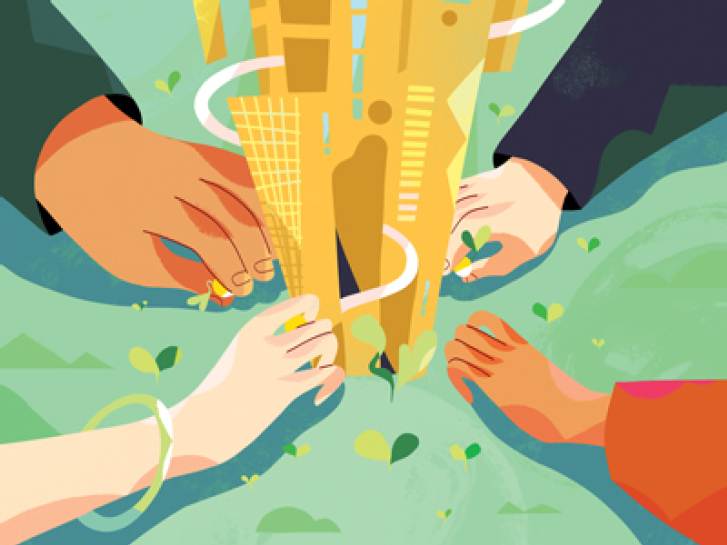
Through cross-sector partnerships and identifying ways to meet the needs of the community, China-based Blued is a business success story that also proves to be an asset for LGBTQ rights, ensuring that members’ voices are both heard and visible.

Sustainable enterprise is increasingly relying on artful thinking and Eastern philosophy to innovate Western business models for global practice.
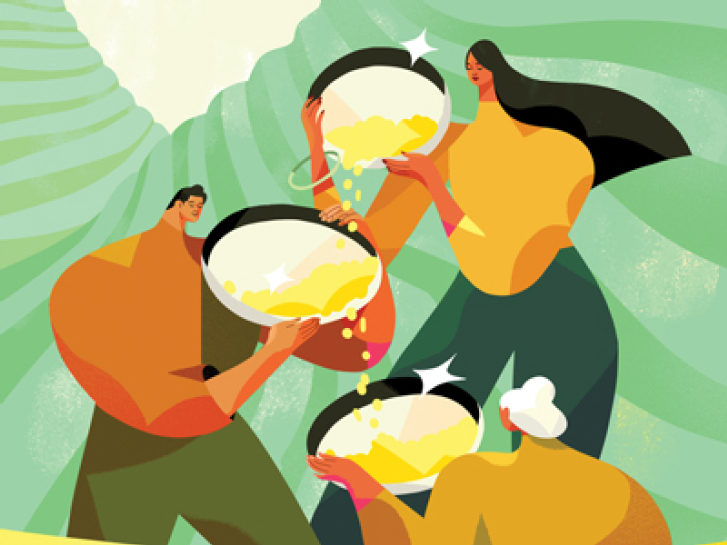
Asia’s second wave of philanthropists are eschewing traditional philanthropic models in favor of more expansive, hands-on approaches.


Funders are calling for more program evaluation, but nonprofits are often collecting dubious data, at great cost to themselves and ultimately to the people they serve.

Large-scale social change requires broad cross-sector coordination, not the isolated intervention of individual organizations.

For NGOs, impact comes in different forms and to track the cycles of social change work, we must think across the tangibility and the speed of emergence of change.

With an understanding of these 10 funding models, nonprofit leaders can use the for-profit world's valuable practice of engaging in succinct and clear conversations about long-term financial strategy.

Fair Trade-certified coffee is growing in sales, but strict certification requirements are resulting in uneven economic advantages for coffee growers and lower quality coffee for consumers.