The Invisible Care of Women
An excerpt from Unjust Conditions: Women’s Work and the Hidden Cost of Cash Transfer Programs.
An excerpt from Unjust Conditions: Women’s Work and the Hidden Cost of Cash Transfer Programs.
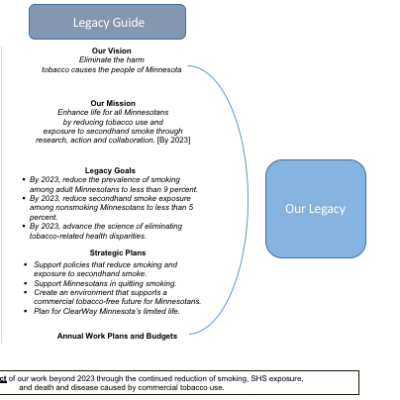
How limited-life organizations can re-position evaluation as a tool to drive progress toward their end goals and measure the enduring impact of their efforts.

An organization’s response to a wide-scale Ebola outbreak provides six lessons in sustainable impact for NGO leaders.
Listening to beneficiaries should be part and parcel of any initiative that seeks to help others. Part of a series produced for SSIR with the support of the Hewlett Foundation.

By pooling money, individuals who may otherwise feel powerless are attempting to address imbalances of wealth and influence in the social sector.


Funders are calling for more program evaluation, but nonprofits are often collecting dubious data, at great cost to themselves and ultimately to the people they serve.

Large-scale social change requires broad cross-sector coordination, not the isolated intervention of individual organizations.
For NGOs, impact comes in different forms and to track the cycles of social change work, we must think across the tangibility and the speed of emergence of change.

With an understanding of these 10 funding models, nonprofit leaders can use the for-profit world's valuable practice of engaging in succinct and clear conversations about long-term financial strategy.

Fair Trade-certified coffee is growing in sales, but strict certification requirements are resulting in uneven economic advantages for coffee growers and lower quality coffee for consumers.