



De Tocqueville Redux
As America undergoes dramatic upheavals, one of the ways to understand these changes and to come up with solutions is to examine them through the lens of civil society.
As America undergoes dramatic upheavals, one of the ways to understand these changes and to come up with solutions is to examine them through the lens of civil society.
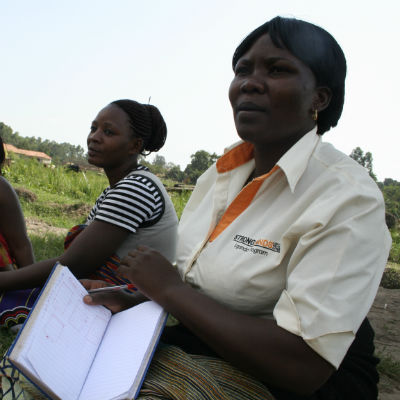
StrongMinds looks to break the cycle of depression for women in Uganda and beyond.
Organizations are increasingly turning to system change to tackle big social problems. But systems are complex, and mastering the process requires observation, patience, and reflection. To begin, here are two
approaches to pursuing system change.
Most global development programs still segment people by demographics when trying to change their behavior. We must learn from the private sector and segment people based on the reasons behind their actions. Open access to this article is made possible by The Surgo Foundation.
Humanitarian nonprofits unconsciously reinforce the very conditions of women’s oppression they seek to eradicate in their programming.


Funders are calling for more program evaluation, but nonprofits are often collecting dubious data, at great cost to themselves and ultimately to the people they serve.

Large-scale social change requires broad cross-sector coordination, not the isolated intervention of individual organizations.

For NGOs, impact comes in different forms and to track the cycles of social change work, we must think across the tangibility and the speed of emergence of change.

With an understanding of these 10 funding models, nonprofit leaders can use the for-profit world's valuable practice of engaging in succinct and clear conversations about long-term financial strategy.

Fair Trade-certified coffee is growing in sales, but strict certification requirements are resulting in uneven economic advantages for coffee growers and lower quality coffee for consumers.