Data as a Means, Not an End: A Brief Case Study
How the education nonprofit City Year tackled “measurement drift” by reorienting its measurement activities around one simple premise: Data should support better decision-making.

How the education nonprofit City Year tackled “measurement drift” by reorienting its measurement activities around one simple premise: Data should support better decision-making.

New types of civil society organizations are powerfully and successfully using technology to campaign online and offline for social, economic, and environmental change.
It’s time for the nonprofit sector to create new models for recognizing individual leaders without compromising the collective efforts, movements, and environment of inclusion that they are trying to build.

New research reveals a cross-sector trend that sees organizations using governance to strengthen extra-financial performance.
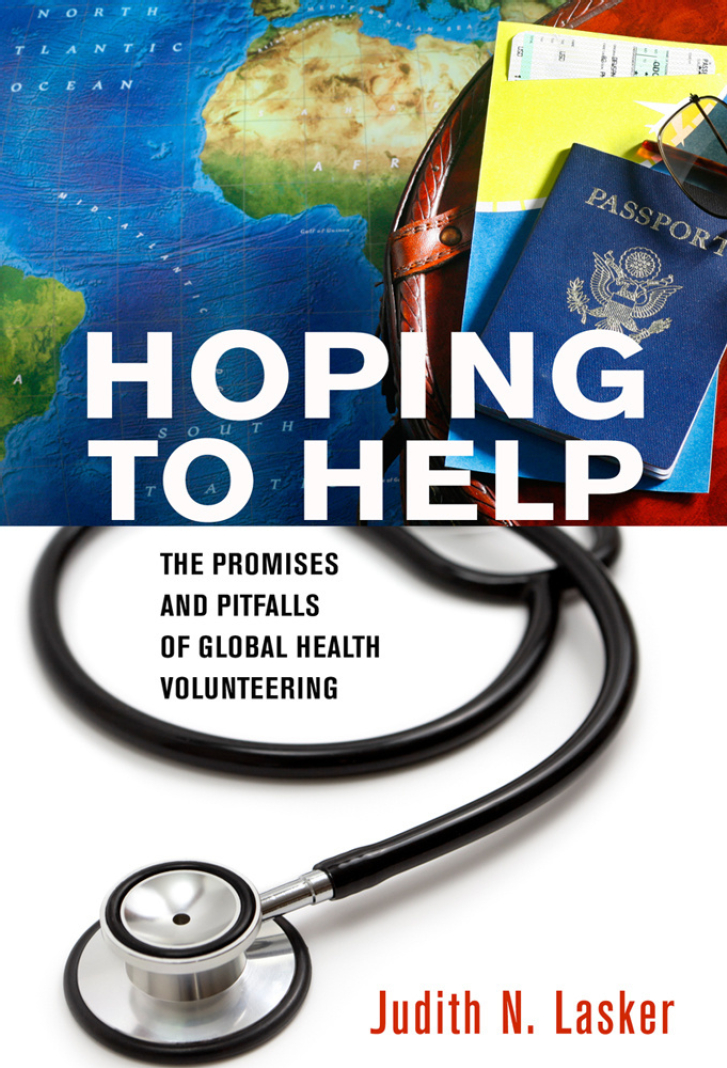
Drawing on extensive field research and surveys, Lasker suggests several ways to make international health volunteering more effective.


Funders are calling for more program evaluation, but nonprofits are often collecting dubious data, at great cost to themselves and ultimately to the people they serve.

Large-scale social change requires broad cross-sector coordination, not the isolated intervention of individual organizations.

For NGOs, impact comes in different forms and to track the cycles of social change work, we must think across the tangibility and the speed of emergence of change.

With an understanding of these 10 funding models, nonprofit leaders can use the for-profit world's valuable practice of engaging in succinct and clear conversations about long-term financial strategy.

Fair Trade-certified coffee is growing in sales, but strict certification requirements are resulting in uneven economic advantages for coffee growers and lower quality coffee for consumers.