
No Exit: The Case for Nonprofit Holding Companies
Applying the structure of a holding company to the nonprofit and social enterprise sectors could help both small, high-potential organizations and larger anchor organizations flourish.
Applying the structure of a holding company to the nonprofit and social enterprise sectors could help both small, high-potential organizations and larger anchor organizations flourish.
For years, the international aid community has stigmatized, mistreated, or simply ignored the millions of people who suffer from mental illness. We need a new approach.
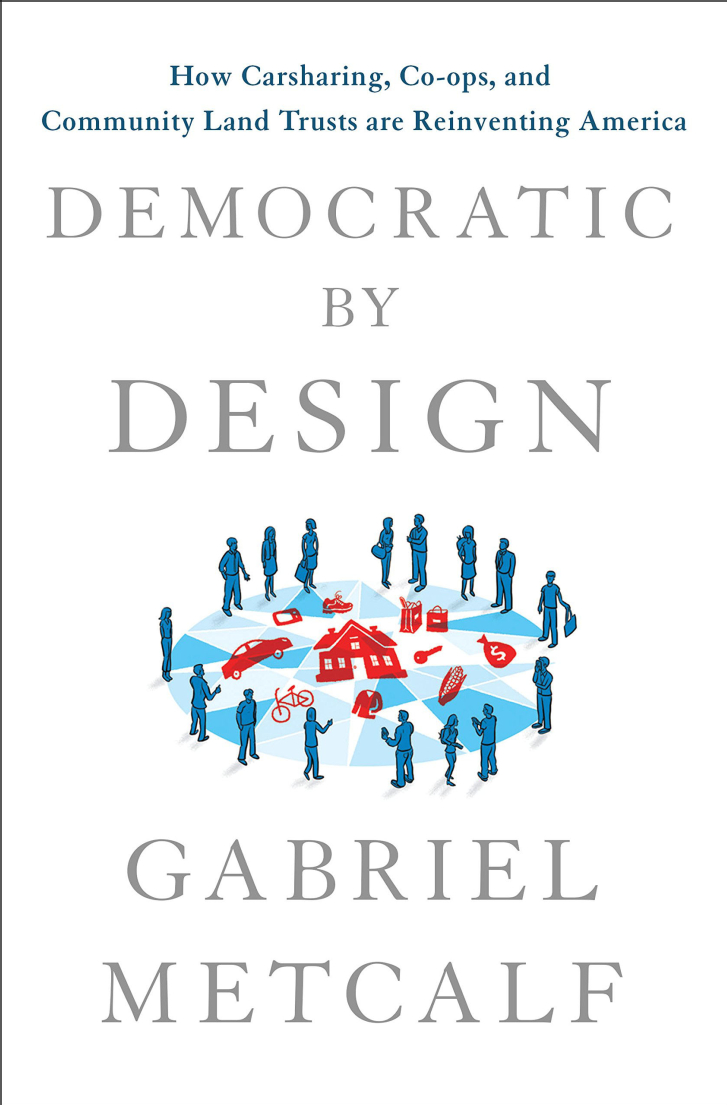
In Democratic by Design, Gabriel Metcalf looks at how small-scale, self-organized projects that work outside the traditional structures of government and business can scale up to effect widespread social change.
Ten ways to better engage high-net-worth women donors, and work with them to effectively invest in women and girls, and other social causes.
The structures and philosophy of the art of improv can help nonprofits stay grounded in what they are, while simultaneously allowing them to creatively respond to the ever-evolving needs of the people they strive to serve.


Funders are calling for more program evaluation, but nonprofits are often collecting dubious data, at great cost to themselves and ultimately to the people they serve.

Large-scale social change requires broad cross-sector coordination, not the isolated intervention of individual organizations.

For NGOs, impact comes in different forms and to track the cycles of social change work, we must think across the tangibility and the speed of emergence of change.

With an understanding of these 10 funding models, nonprofit leaders can use the for-profit world's valuable practice of engaging in succinct and clear conversations about long-term financial strategy.

Fair Trade-certified coffee is growing in sales, but strict certification requirements are resulting in uneven economic advantages for coffee growers and lower quality coffee for consumers.