


Generations Together
Home-sharing programs in France provide students with a place to live and seniors with a source of companionship.
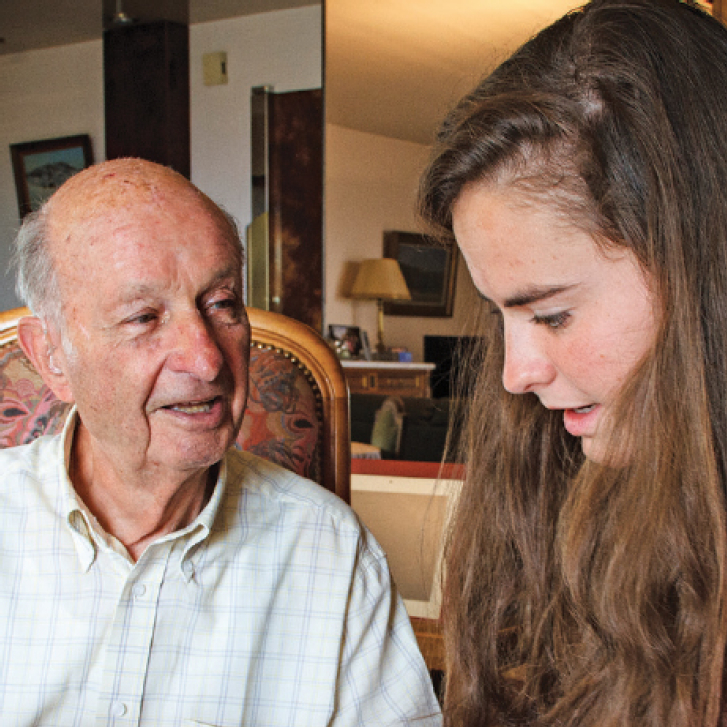
Home-sharing programs in France provide students with a place to live and seniors with a source of companionship.
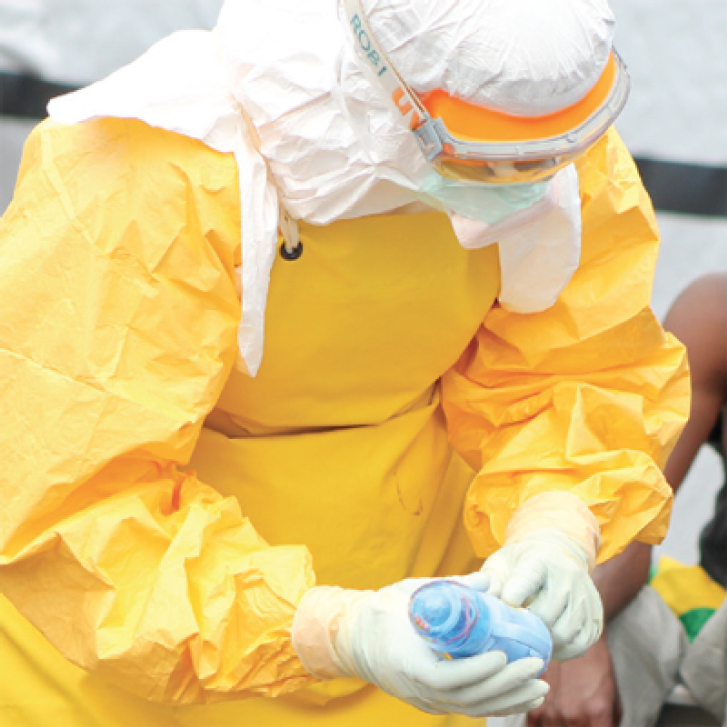
MSF France has found an answer to the question of whether to accept corporate support—and it’s anything but simple

Participants in a large, complex collaboration can build a capacity for finding common ground—and it doesn’t have to take years.

The places where social change work occurs can shape—and, in some cases, complicate—how that work unfolds.
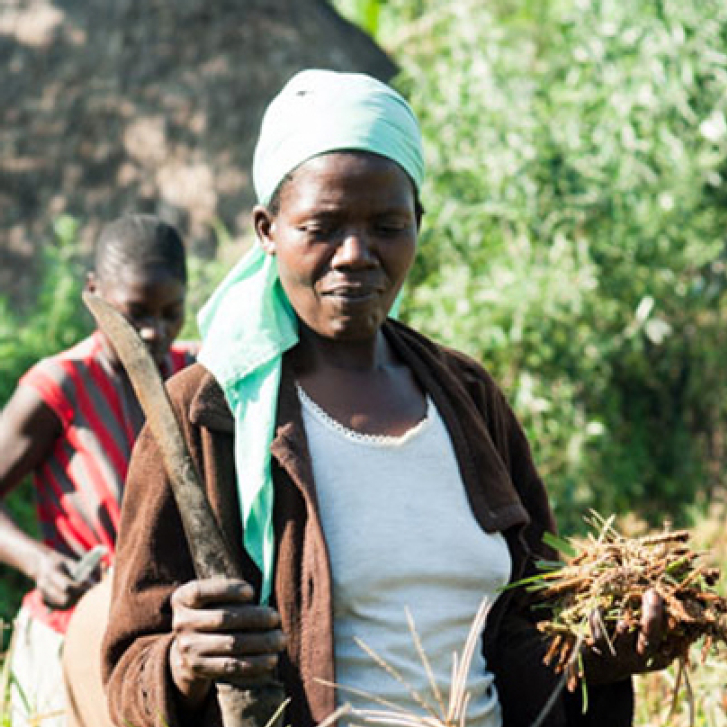
Using a social return on investment framework, organizations can estimate the future impact, cost, and scale of programs before they begin, and allocate resources for greater impact.


Funders are calling for more program evaluation, but nonprofits are often collecting dubious data, at great cost to themselves and ultimately to the people they serve.

Large-scale social change requires broad cross-sector coordination, not the isolated intervention of individual organizations.

For NGOs, impact comes in different forms and to track the cycles of social change work, we must think across the tangibility and the speed of emergence of change.

With an understanding of these 10 funding models, nonprofit leaders can use the for-profit world's valuable practice of engaging in succinct and clear conversations about long-term financial strategy.

Fair Trade-certified coffee is growing in sales, but strict certification requirements are resulting in uneven economic advantages for coffee growers and lower quality coffee for consumers.