


Obstacles to You Becoming the Leader You Want to Be
An excerpt from a new book explains the range of factors that challenge leaders’ ability to lead effectively.
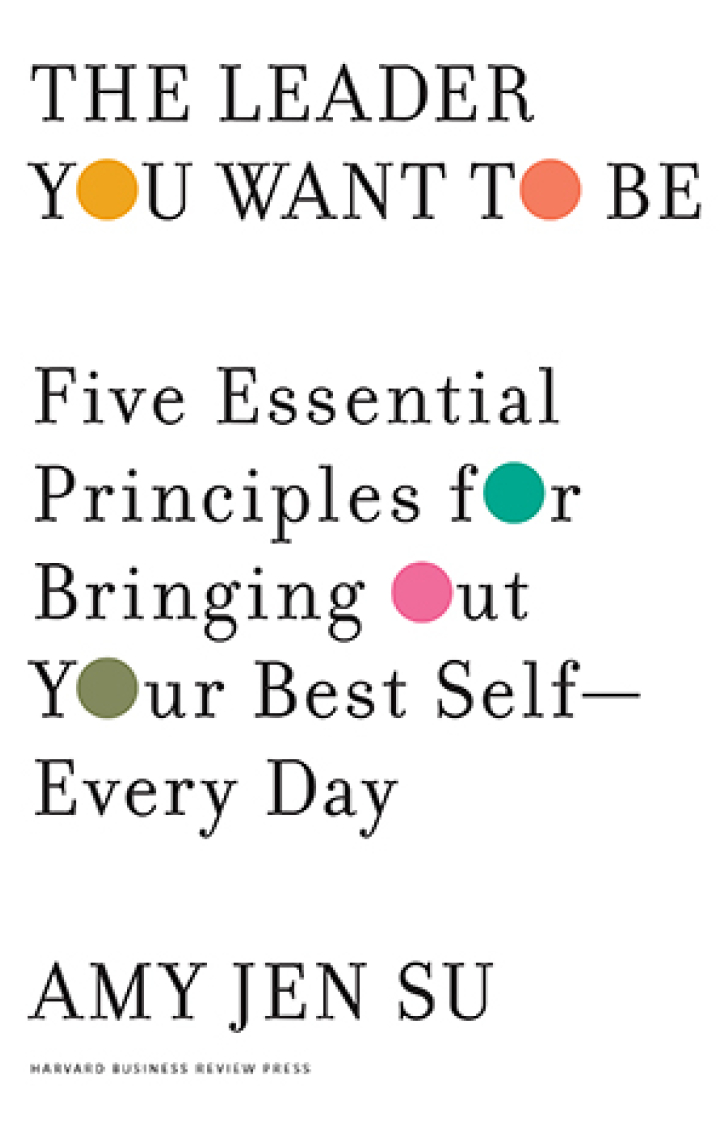
An excerpt from a new book explains the range of factors that challenge leaders’ ability to lead effectively.

When nonprofits try to plan for scale, systems change, and sustainability at the same time, they can find the expectations for achieving each at odds with each other. The answer is a flexible approach that focuses on the mission.

The United States can restore the trust that allows civil society to flourish by emphasizing the values that have long bound us together and by adopting the newer values of shared power and racial equity.

Daunting social problems need scalable solutions. Here’s how to know if you’ve got one.

A commitment is only a start. After that, it takes strategy, performance management, data, planning, investment, and a relentless desire to improve.


Professionalism has become coded language for white favoritism in workplace practices that more often than not leave behind people of color. This is the fourth of 10 articles in a special series about diversity, equity, and inclusion.

More nonprofits are managing their brands to create greater impact and organizational cohesion.

The key to creating a vibrant and sustainable company is to find ways to get all employees personally engaged in day-to-day corporate sustainability efforts.

In the face of increasingly pressing systemic inequities, nonprofit boards must change the traditional ways they have worked and instead prioritize an organization's purpose, show respect for the ecosystem in which they operate, commit to equity, and recognize that power must be authorized by the people they're aiming to help.

Five practical considerations for organizations that want to use intentional influence to achieve a bold social goal.