



Dump the Prizes
Contests, challenges, awards—they do more harm than good. Let’s get rid of them.
Contests, challenges, awards—they do more harm than good. Let’s get rid of them.

A properly designed sponsor-a-child program can have real, long-term impact on the life course of its beneficiaries.
Major local events, with some notable exceptions, spur locally based companies to increase charitable giving.
A look at new research showing an increase in general operating support for nonprofits—and how foundations can keep providing this much-needed flexible support.
As more corporations realize the potential of cause-marketing, more charities can create partnerships that result in exposure and revenue.


With an understanding of these 10 funding models, nonprofit leaders can use the for-profit world's valuable practice of engaging in succinct and clear conversations about long-term financial strategy.

A decade of applying the collective impact approach to address social problems has taught us that equity is central to the work.
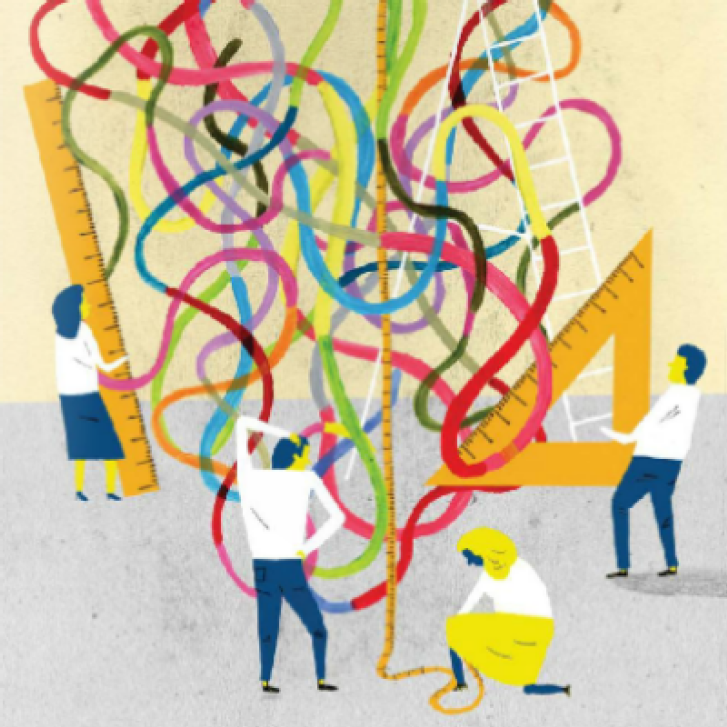
Too many people believe social value is objective, fixed, and stable, when in fact it is subjective, malleable, and variable.

To do as much good as possible with limited resources, funders should look to woefully underfunded protest movements.

Racial bias creeps into all parts of the philanthropic and grantmaking process. The result is that nonprofits led by people of color receive less money than those led by whites, and philanthropy ends up reinforcing the very social ills it says it is trying to overcome.