


The Urban and Rural Divide
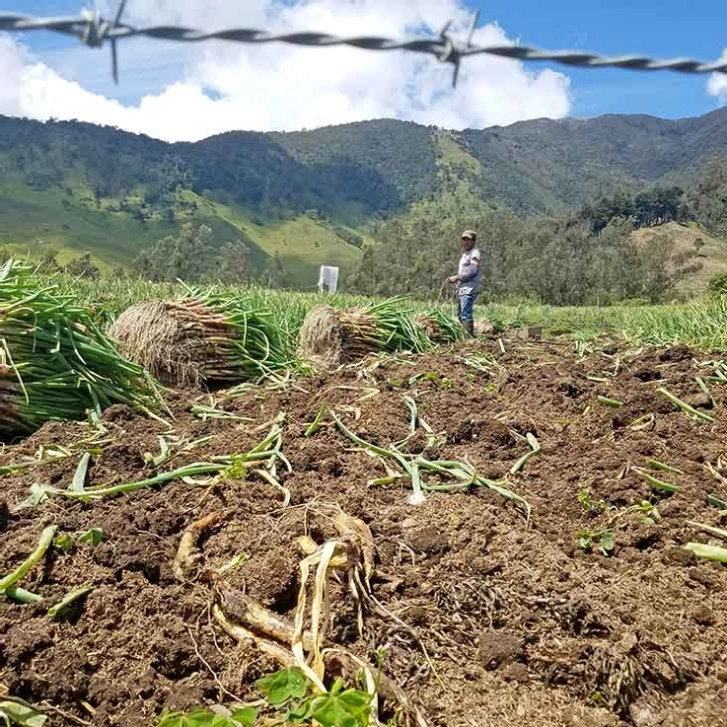
Despite the poverty rate being significantly higher in rural America, philanthropists continue to pour money into urban areas.

Despite the poverty rate being significantly higher in rural America, philanthropists continue to pour money into urban areas.
Links to all of SSIR's online-only articles published the past three months, with editors' notes about standout pieces on design thinking, foundation spending, and rebuilding US democracy.
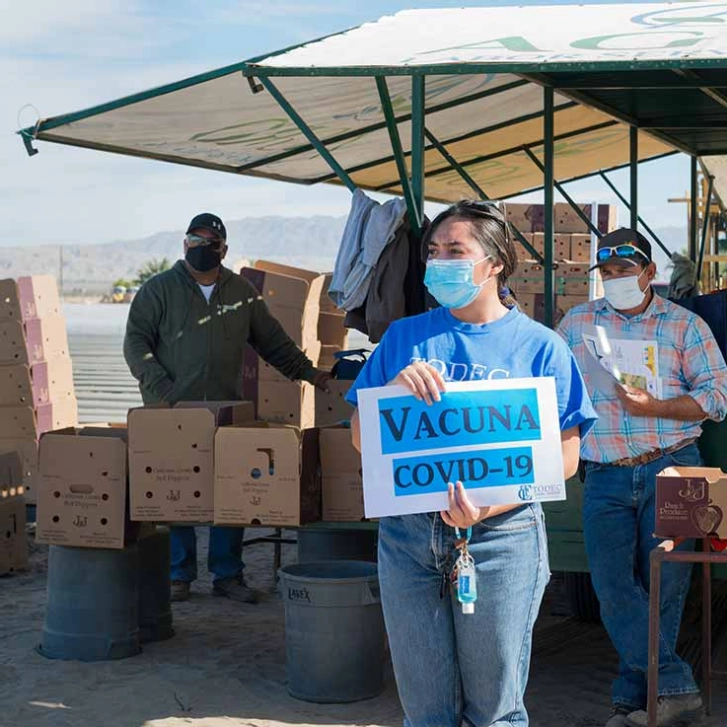
Four ways philanthropy can effectively partner with governments to support equitable vaccination distribution and ensure that more individuals are vaccinated against COVID-19.
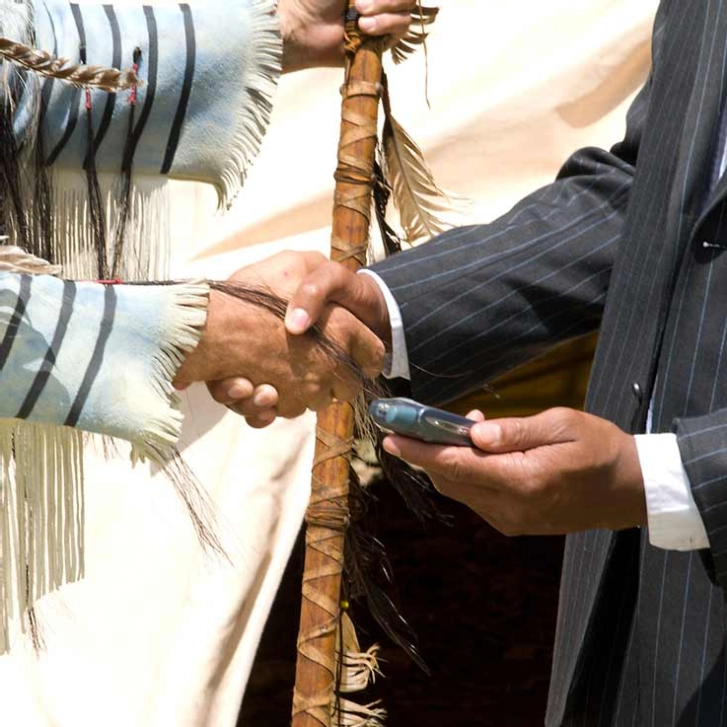
Indigenous intermediaries are crucial to overcoming asymmetries between impact investors and Native America through the building of relationships of trust, creation of an ecosystem for impact investing in Indigenous communities, and performance of the due diligence investors need to manage risk.
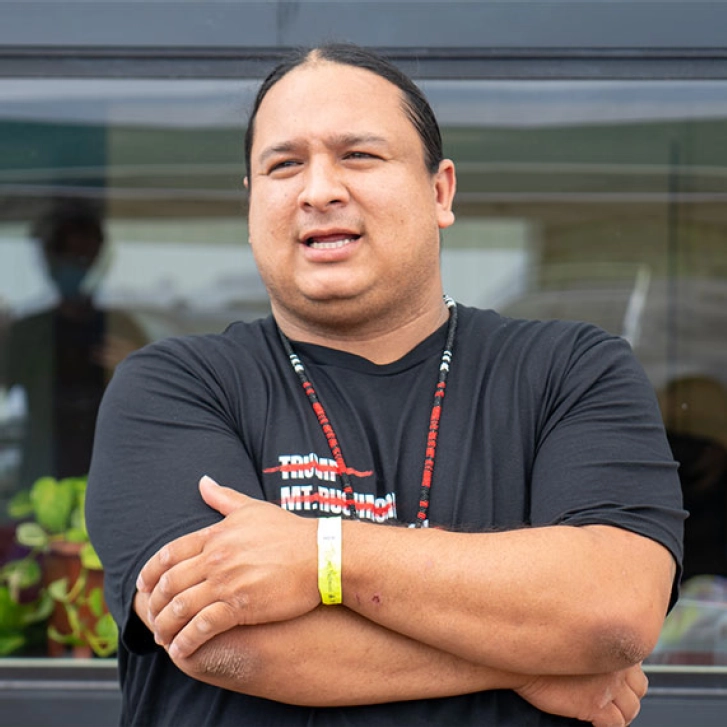
To solve the most pressing issues for Indigenous communities—and for the world at large—power and autonomy must be given to Indigenous people themselves.

With an understanding of these 10 funding models, nonprofit leaders can use the for-profit world's valuable practice of engaging in succinct and clear conversations about long-term financial strategy.
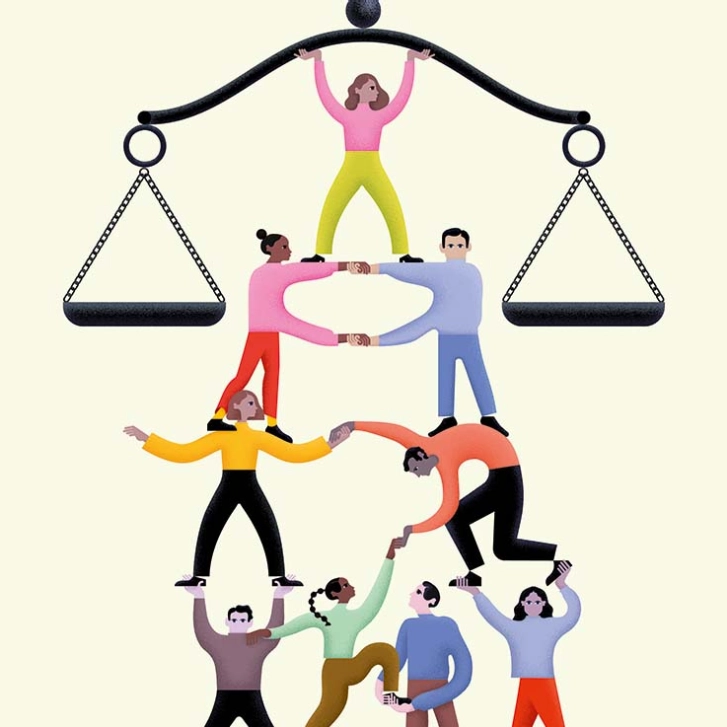
A decade of applying the collective impact approach to address social problems has taught us that equity is central to the work.
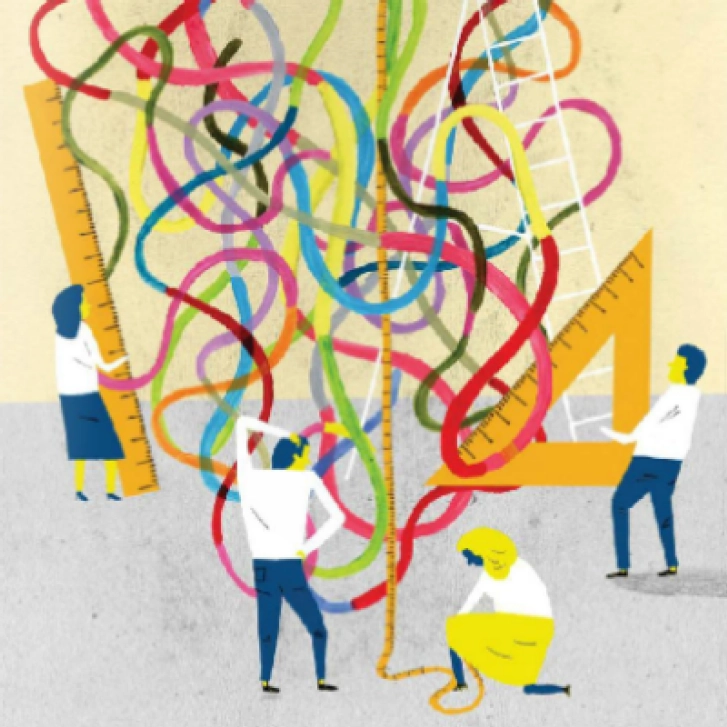
Too many people believe social value is objective, fixed, and stable, when in fact it is subjective, malleable, and variable.

To do as much good as possible with limited resources, funders should look to woefully underfunded protest movements.
Racial bias creeps into all parts of the philanthropic and grantmaking process. The result is that nonprofits led by people of color receive less money than those led by whites, and philanthropy ends up reinforcing the very social ills it says it is trying to overcome.