
“L3C” Spells “Caveat Emptor”
The notion of L3Cs is that they’re a vehicle for doing well by doing good and therefore an improvement over the typical nonprofit structure.
The notion of L3Cs is that they’re a vehicle for doing well by doing good and therefore an improvement over the typical nonprofit structure.
Last year, Nonprofit Finance Fund released a report looking at the performance of the philanthropic equity deals they have done over the past four years.
Private foundations that finance education in developing countries need to be more transparent in their mission and impact.
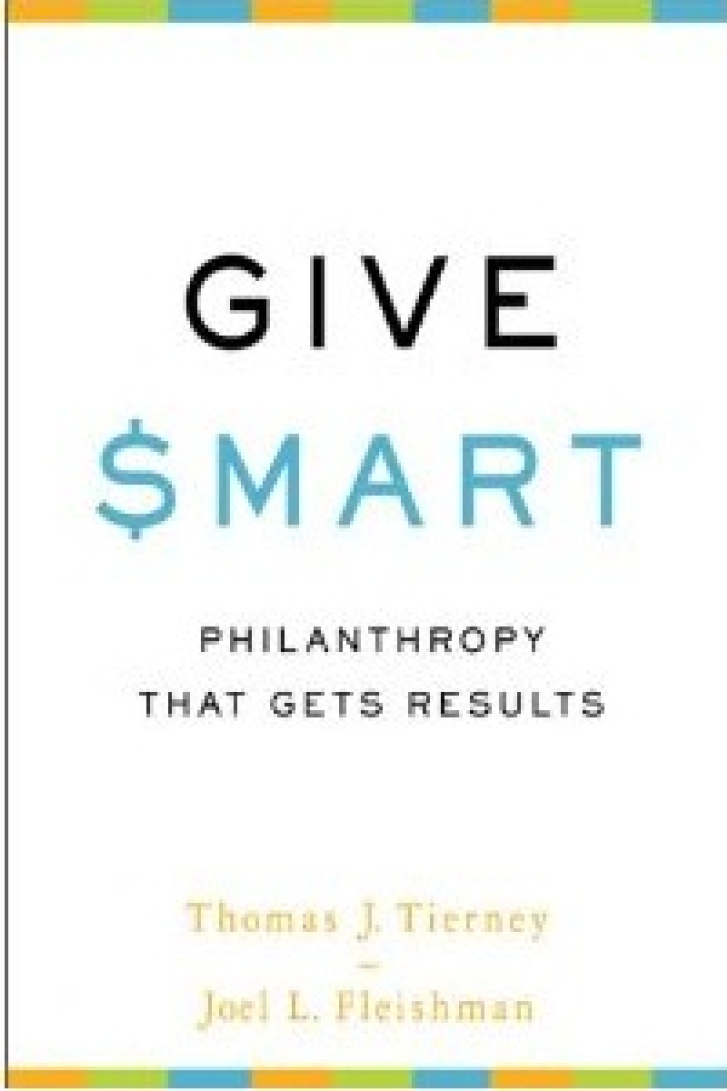
Give Smart: Philanthropy That Gets Results by Tom Tierney & Joel L. Fleishman
It would be a great thing for an era of Abstract Philanthropy to open our eyes to understanding the very essence of the philanthropic act.


Funders are calling for more program evaluation, but nonprofits are often collecting dubious data, at great cost to themselves and ultimately to the people they serve.

With an understanding of these 10 funding models, nonprofit leaders can use the for-profit world's valuable practice of engaging in succinct and clear conversations about long-term financial strategy.

Our understanding of community can help funders and evaluators identify, understand, and strengthen the communities they work with.

Impact evaluations are an important tool for learning about effective solutions to social problems, but they are a good investment only in the right circumstances.

The superficially enticing “logic” of effective altruism ultimately leads to a moralistic, hyper-rationalistic, top-down approach to philanthropy that can kill the very altruistic spirit it claims to foster.