

Going Global
The leaders of international humanitarian organizations, such as CARE and Oxfam talk candidly about management strategy, organizational goals, advocacy, accountability, and partnerships.

The leaders of international humanitarian organizations, such as CARE and Oxfam talk candidly about management strategy, organizational goals, advocacy, accountability, and partnerships.

Combining idealism with a genuine love of business, John Sage cofounded the social enterprise company Pura Vida, one of the largest distributors of fair trade organic coffee in the world. In this University podcast, he discusses his mission to improve the lives of people in coffee-growing regions. Sage explains how Pura Vida works at the intersection of the for-profit and nonprofit sectors, showing how the two can be blended to generate both revenues and social good.
How Lutherans are transforming their love of coffee into global good.

Lower-income patrons of Market Creek Plaza can now invest in the shopping center.
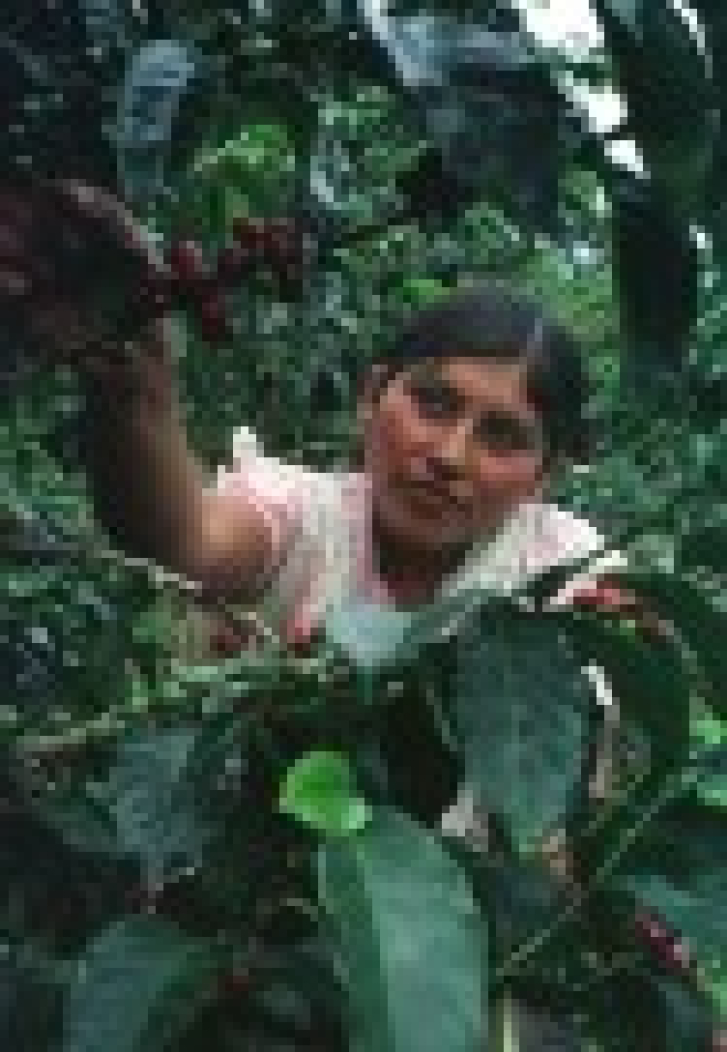
How Fair Trade coffee moved out of its niche and into the most mainstream market of all.


By working closely with the clients and consumers, design thinking allows high-impact solutions to social problems to bubble up from below rather than being imposed from the top.

Fair Trade-certified coffee is growing in sales, but strict certification requirements are resulting in uneven economic advantages for coffee growers and lower quality coffee for consumers.

Despite the hoopla over microfinance, it doesn't cure poverty. But stable jobs do. If societies are serious about helping the poorest of the poor, they should stop investing in microfinance and start supporting large, labor-intensive industries.
Few microfinance institutions articulate what, exactly, their ultimate goals are and how to achieve them. If the goal of microfinance is to alleviate poverty, the authors say, then MFIs should focus on helping their clients build successful enterprises, rather than on making more and bigger loans.

Market solutions to poverty, which include services and products targeting consumers at the “bottom of the pyramid,” portray poor people as creative entrepreneurs and discerning consumers. Yet this rosy view of poverty-stricken people is not only wrong, but also harmful.