
Jeffrey Sachs
Jeffrey Sachs believes we must lift a billion-plus people out of poverty while reducing our impact on the environment.
Jeffrey Sachs believes we must lift a billion-plus people out of poverty while reducing our impact on the environment.
The philanthropic community has no public opposition to a new, ill-advised piece of legislation.
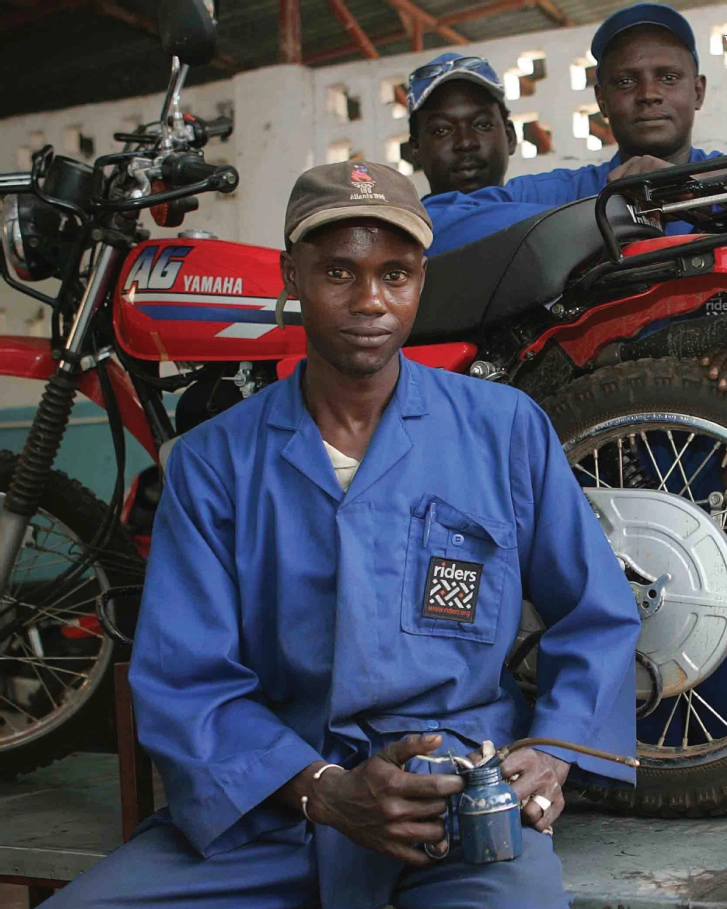
Riders for Health has created a novel approach to maintaining health transport vehicles in sub-Saharan Africa.

Jessica Jackley is cofounder of Kiva.org, the nonprofit microfinancing website that allows people to promote international development and break the cycle of poverty by lending as little as $25 to a specific third-world entrepreneur. In this audio lecture, sponsored by the Stanford Center for Social Innovation, Jackley talks about how she is revolutionizing philanthropy and inspiring a new generation of philanthropists through technology.
Will mobile telephones become the new super highway to connect the poor to the financial grid?


By working closely with the clients and consumers, design thinking allows high-impact solutions to social problems to bubble up from below rather than being imposed from the top.

Fair Trade-certified coffee is growing in sales, but strict certification requirements are resulting in uneven economic advantages for coffee growers and lower quality coffee for consumers.

Despite the hoopla over microfinance, it doesn't cure poverty. But stable jobs do. If societies are serious about helping the poorest of the poor, they should stop investing in microfinance and start supporting large, labor-intensive industries.
Few microfinance institutions articulate what, exactly, their ultimate goals are and how to achieve them. If the goal of microfinance is to alleviate poverty, the authors say, then MFIs should focus on helping their clients build successful enterprises, rather than on making more and bigger loans.
Market solutions to poverty, which include services and products targeting consumers at the “bottom of the pyramid,” portray poor people as creative entrepreneurs and discerning consumers. Yet this rosy view of poverty-stricken people is not only wrong, but also harmful.