

A Good Business for Poor People
Microfranchising poses fewer risks and offers greater benefits than does creating a new business from scratch.
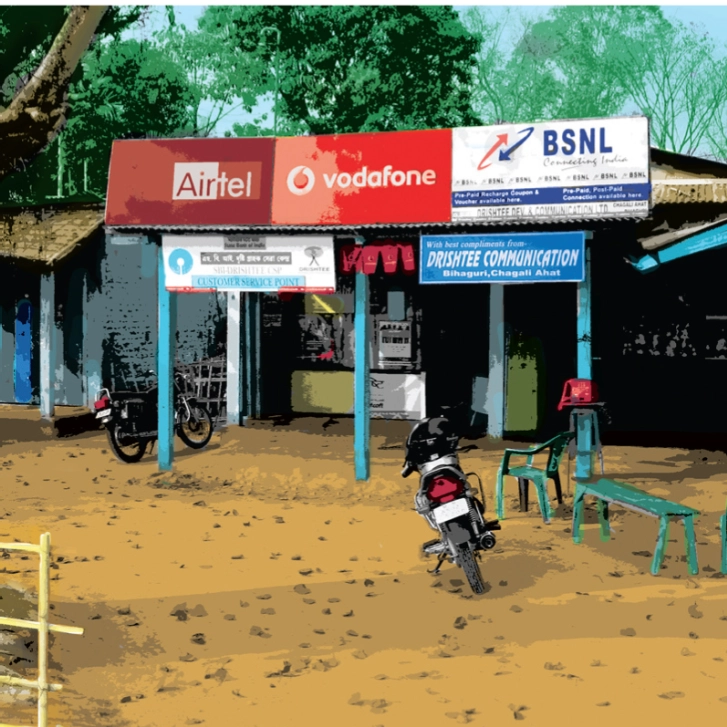
Microfranchising poses fewer risks and offers greater benefits than does creating a new business from scratch.
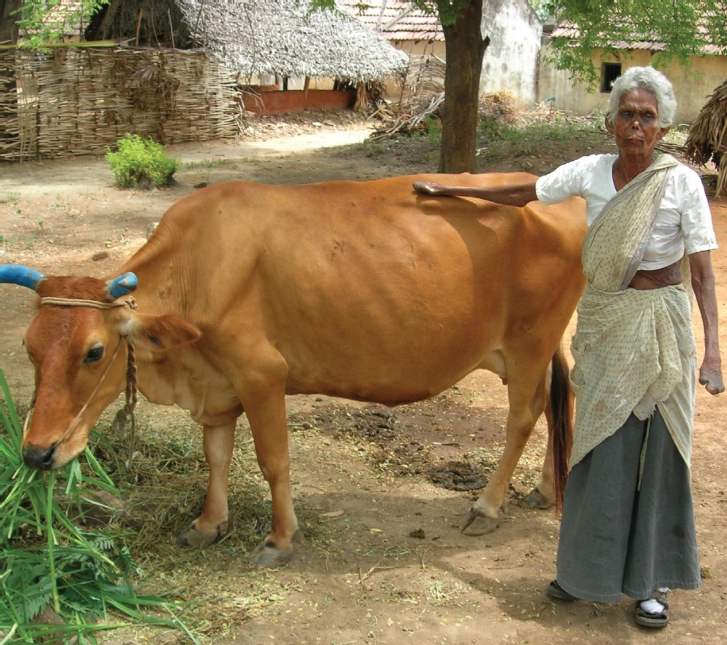
Microlending in leprosy colonies frees residents from poverty, shame, and isolation.
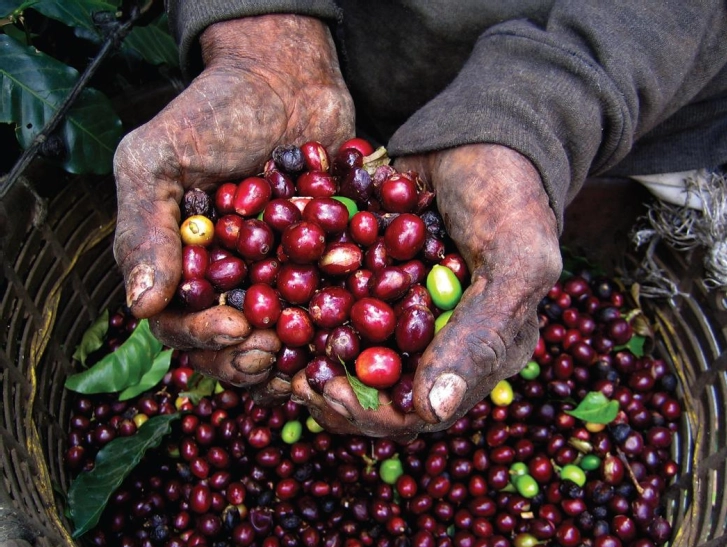
As parents spend more time raising their profitable coffee crop, they spend less time attending to their children's needs.
Global warming may end up helping some poor farmers who will be able to sell their crops for higher prices.

Hope Runs is a nonprofit social enterprise working in Kenya and Tanzania that uses athletics, education, and social entrepreneurship to empower AIDS orphans. In this audio interview, founders Claire Williams and Lara Vogel talk about how they have turned their idea of using marathon running to "outpace poverty" into a vital organization that partners with AIDS orphanages to have a real influence in children's lives. They discuss their model, how they use volunteers, and advice for social entrepreneurs.


By working closely with the clients and consumers, design thinking allows high-impact solutions to social problems to bubble up from below rather than being imposed from the top.
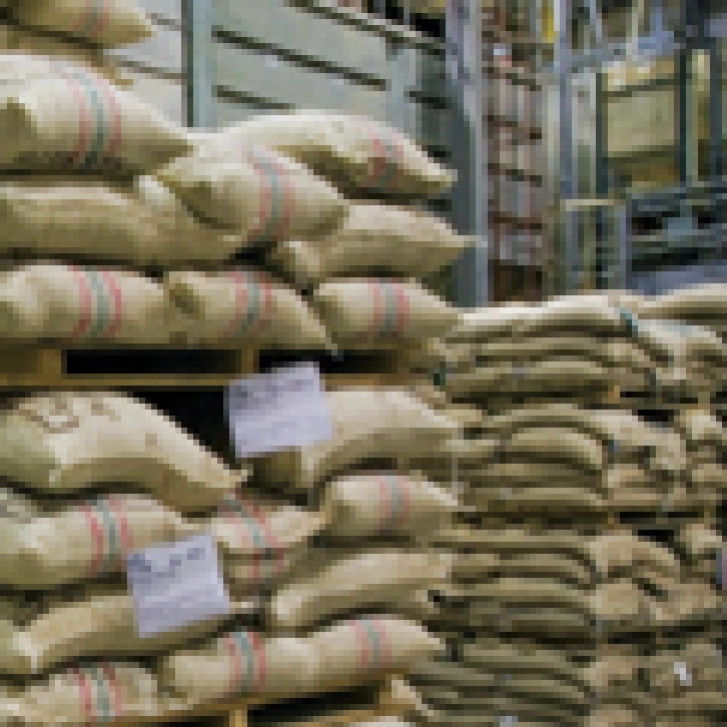
Fair Trade-certified coffee is growing in sales, but strict certification requirements are resulting in uneven economic advantages for coffee growers and lower quality coffee for consumers.

Despite the hoopla over microfinance, it doesn't cure poverty. But stable jobs do. If societies are serious about helping the poorest of the poor, they should stop investing in microfinance and start supporting large, labor-intensive industries.
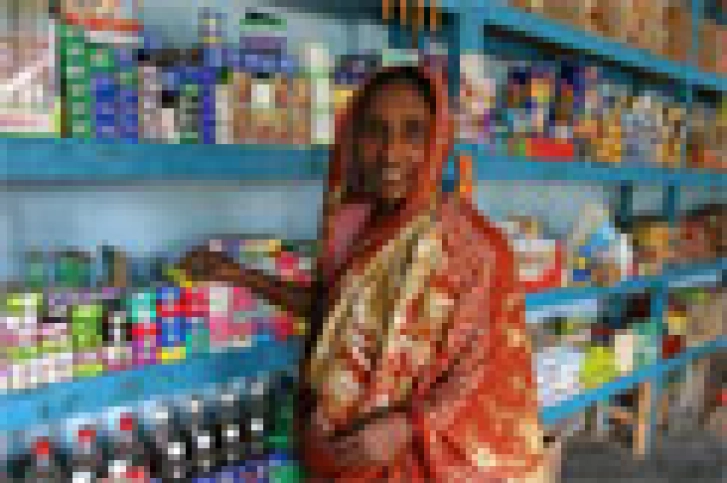
Few microfinance institutions articulate what, exactly, their ultimate goals are and how to achieve them. If the goal of microfinance is to alleviate poverty, the authors say, then MFIs should focus on helping their clients build successful enterprises, rather than on making more and bigger loans.

Market solutions to poverty, which include services and products targeting consumers at the “bottom of the pyramid,” portray poor people as creative entrepreneurs and discerning consumers. Yet this rosy view of poverty-stricken people is not only wrong, but also harmful.