


How NGOs Can Work With Governments to Build Partnerships That Will Scale
Four lessons from Togo on scaling health care innovation through the public sector.
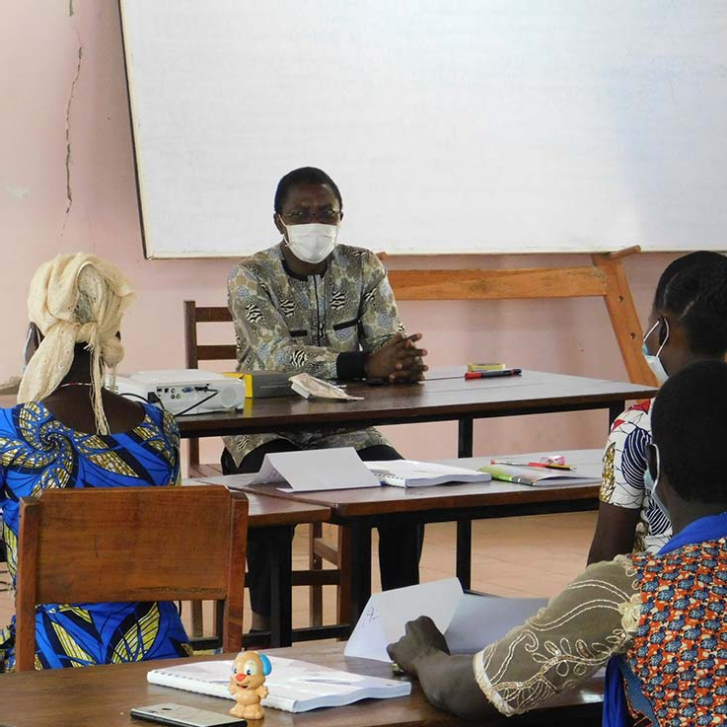
Four lessons from Togo on scaling health care innovation through the public sector.
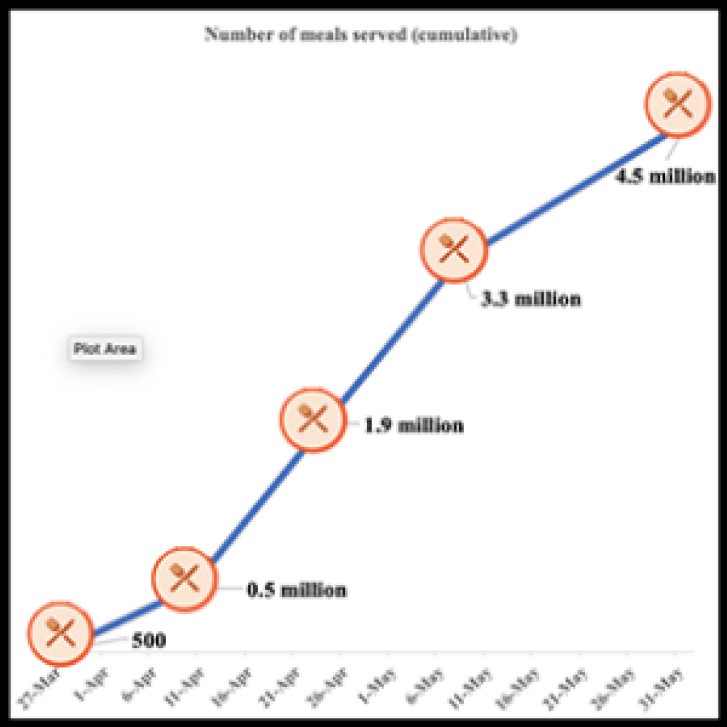
A look at how a community kitchen initiative in India used insights from behavioral science to rapidly scale its services, delivering 4.5 million meals to homeless migrant workers even as the country instituted the world’s largest lockdown to combat COVID-19.

The campaign to reform capitalism by making companies prioritize stakeholders could never succeed without getting large multinational corporations on board. Now that Danone, Laureate Education, and Natura have signed on, the B Corp movement is demonstrating how it can be done.

Your awesome model doesn’t get to serious scale unless others replicate it, too. Here’s how to make it happen.
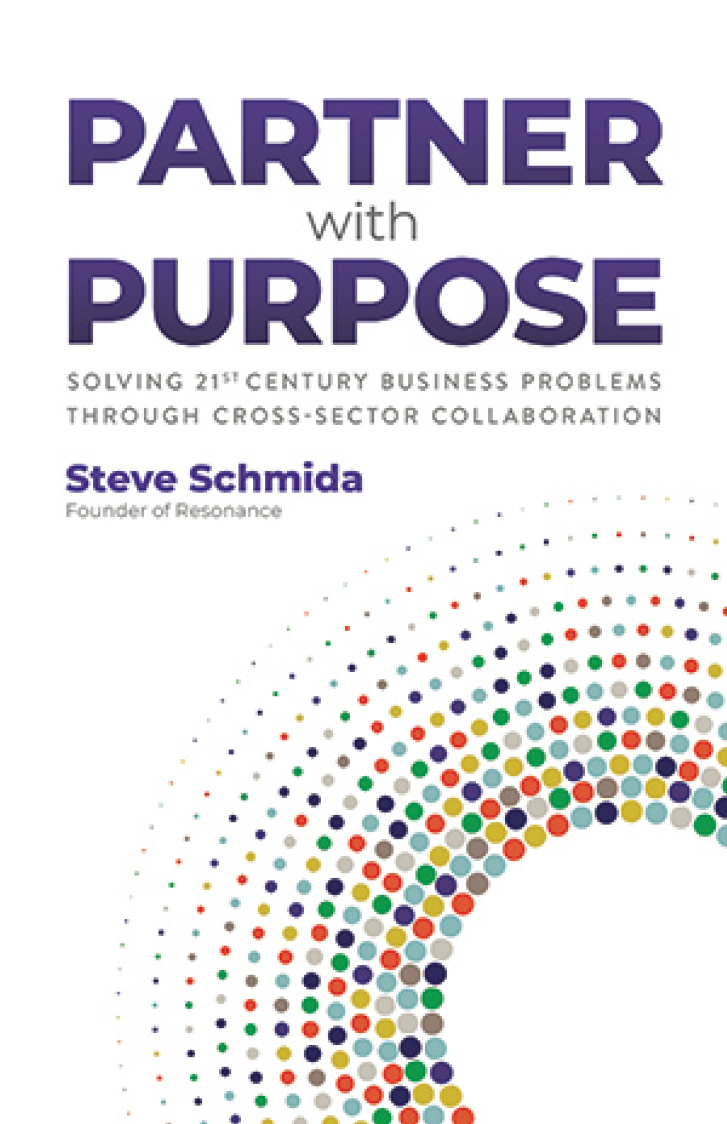
In this excerpt of Partner with Purpose, Resonance founder Steve Schmida offers guidance on how to build management partnerships that deliver results.


Since 1970, more than 200,000 nonprofits have opened in the U.S., but only 144 have reached $50 million in annual revenue. They got big by doing two things: They raised the bulk of their money from a single type of funder. And just as importantly, these nonprofits created professional organizations that were tailored to the needs of their primary funding sources.

A decade of applying the collective impact approach to address social problems has taught us that equity is central to the work.

How do innovations move from the edges to the core of what an organization does? For maximum impact, innovations must cease to be innovative and become institutionalized and normalized.

Impact evaluations are an important tool for learning about effective solutions to social problems, but they are a good investment only in the right circumstances.

Scaling requires not only fidelity to core processes and programs, but also constant adjustments to local needs and resources.