



An Operating Model to Make Social Innovation Stick
The former chief innovation officer at USAID outlines a way for social sector organizations and funders to build innovation into their DNA.
The former chief innovation officer at USAID outlines a way for social sector organizations and funders to build innovation into their DNA.

By pooling money, individuals who may otherwise feel powerless are attempting to address imbalances of wealth and influence in the social sector.

Three considerations for Asia-Pacific foundations embarking on impact investing journeys.
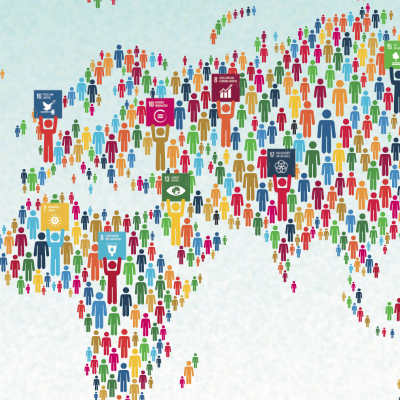
An international roster of donors has dispersed billions of dollars since 2000 to address social issues targeted by the United Nations’ Sustainable Development Goals. Their efforts highlight four ways that big bets can achieve big social change.

An excerpt of Twenty Years of Life: Why the Poor Die Earlier and How the Challenge Inequity


Since 1970, more than 200,000 nonprofits have opened in the U.S., but only 144 have reached $50 million in annual revenue. They got big by doing two things: They raised the bulk of their money from a single type of funder. And just as importantly, these nonprofits created professional organizations that were tailored to the needs of their primary funding sources.

A decade of applying the collective impact approach to address social problems has taught us that equity is central to the work.

How do innovations move from the edges to the core of what an organization does? For maximum impact, innovations must cease to be innovative and become institutionalized and normalized.

Impact evaluations are an important tool for learning about effective solutions to social problems, but they are a good investment only in the right circumstances.

Scaling requires not only fidelity to core processes and programs, but also constant adjustments to local needs and resources.