


Technology Against Genocide
The Tech for Palestine business incubator is dedicated to strengthening pro-human rights projects within the technology industry, starting with the rights of Palestinians.
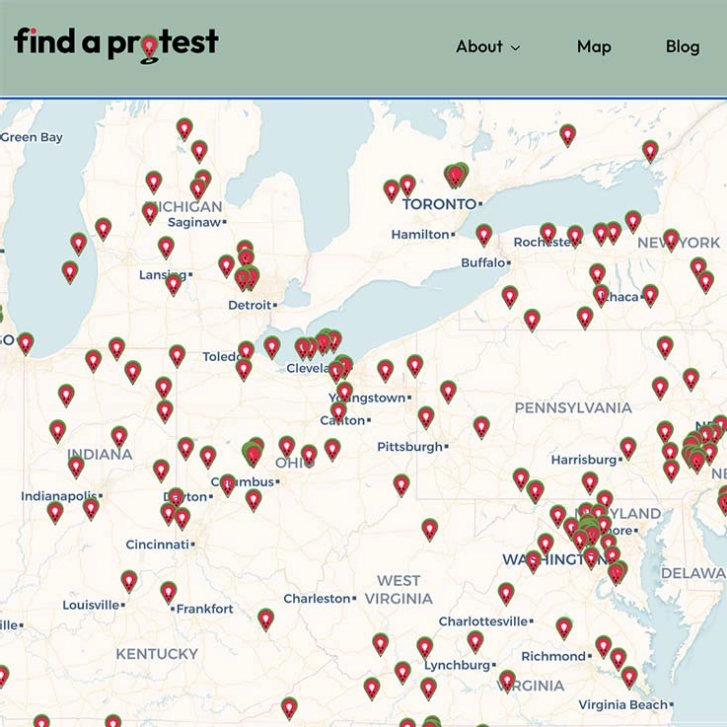
The Tech for Palestine business incubator is dedicated to strengthening pro-human rights projects within the technology industry, starting with the rights of Palestinians.

A new kind of infrastructure for collective impact initiatives.
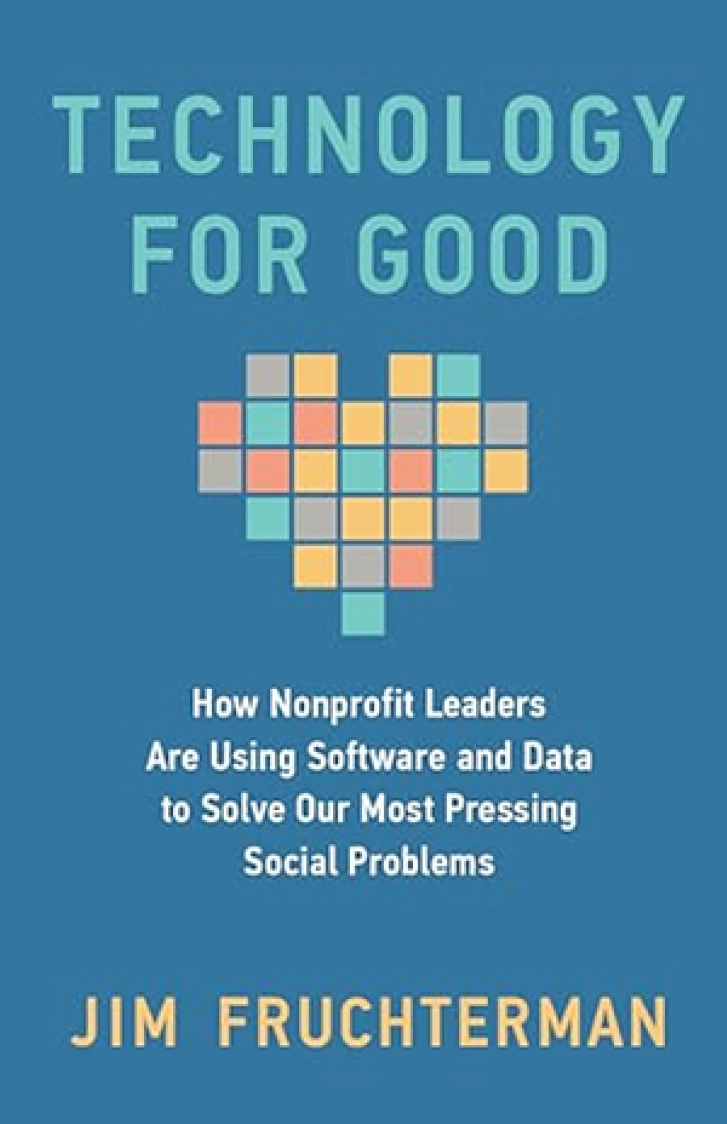
An excerpt from Technology for Good on using technology to create innovative and cost-effective ways to deliver programs

High-quality impact data and assessments are vital for allocating capital effectively, yet they are resource-intensive for investors and social innovators. Can generative AI speed up and strengthen impact-performance assessment of venture investments?

As an ideas magazine, SSIR offers a sanctuary for deep thinking on the issues of our time, including President Donald Trump's attempts to disrupt the social sector in ways that will be felt for years.


Social entrepreneurship is attracting growing amounts of talent, money, and attention, but along with its increasing popularity has come less certainty about what exactly a social entrepreneur is and does.

By working closely with the clients and consumers, design thinking allows high-impact solutions to social problems to bubble up from below rather than being imposed from the top.

Fair Trade-certified coffee is growing in sales, but strict certification requirements are resulting in uneven economic advantages for coffee growers and lower quality coffee for consumers.

Social entrepreneurship and social enterprise have become popular and positive rallying points for those trying to improve the world, but social innovation is a better vehicle for understanding and creating social change in all of its manifestations.

Understanding these six important differences will both facilitate better conversations and help channel funds appropriately.