


Paying With Plastic
The Recycle Pay program allows parents to pay a portion or all of their children’s school fees by gathering plastic and discarded drinking-water bags, which are then recycled. A What's Next article from the Winter 2020 issue.
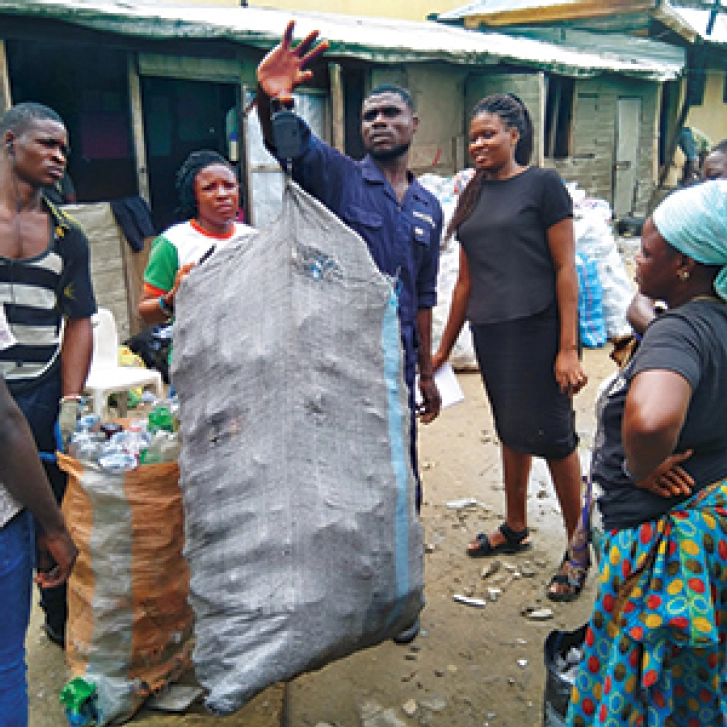
The Recycle Pay program allows parents to pay a portion or all of their children’s school fees by gathering plastic and discarded drinking-water bags, which are then recycled. A What's Next article from the Winter 2020 issue.

How investors can generate deeper insights into social and environmental impact while bringing concrete business benefits to investees.
An excerpt from Constructing Organizational Life examines self work, organization work, and institutional work within the context of social innovation.

Businesses straddling the worlds of commerce and development offer the chance to address poverty at scale, but very few succeed. To improve them in India and elsewhere, investors and practitioners should note four common challenges and ask five simple questions.
An excerpt from Driving Innovation From Within: A Guide for Internal Entrepreneurs examines how employees catalyze innovation from within organizations.


Social entrepreneurship is attracting growing amounts of talent, money, and attention, but along with its increasing popularity has come less certainty about what exactly a social entrepreneur is and does.

By working closely with the clients and consumers, design thinking allows high-impact solutions to social problems to bubble up from below rather than being imposed from the top.

Fair Trade-certified coffee is growing in sales, but strict certification requirements are resulting in uneven economic advantages for coffee growers and lower quality coffee for consumers.

Social entrepreneurship and social enterprise have become popular and positive rallying points for those trying to improve the world, but social innovation is a better vehicle for understanding and creating social change in all of its manifestations.

Understanding these six important differences will both facilitate better conversations and help channel funds appropriately.