
Applying Design Thinking to Healthcare
CEO Joel Sadler about the company’s initial product,an artificial knee joint that is dramatically changing the lives of amputees in developing countries
CEO Joel Sadler about the company’s initial product,an artificial knee joint that is dramatically changing the lives of amputees in developing countries
Some early impressions of Jumo, a much-heralded social networking site for stimulating, coordinating, and occasionally funding social change.
Micro-savings have been described as the “Next Big Thing” in the global development agenda. But we are not there yet, particularly with regards to young people living in poverty.
The Mulago Foundation is practicing a form of philanthropy that is desperately needed. It is a fundamental departure from the conventional wisdom of what good philanthropy is suppose to be about.
I think the current moment is the beginning of the golden years for microfinance.


Funders are calling for more program evaluation, but nonprofits are often collecting dubious data, at great cost to themselves and ultimately to the people they serve.
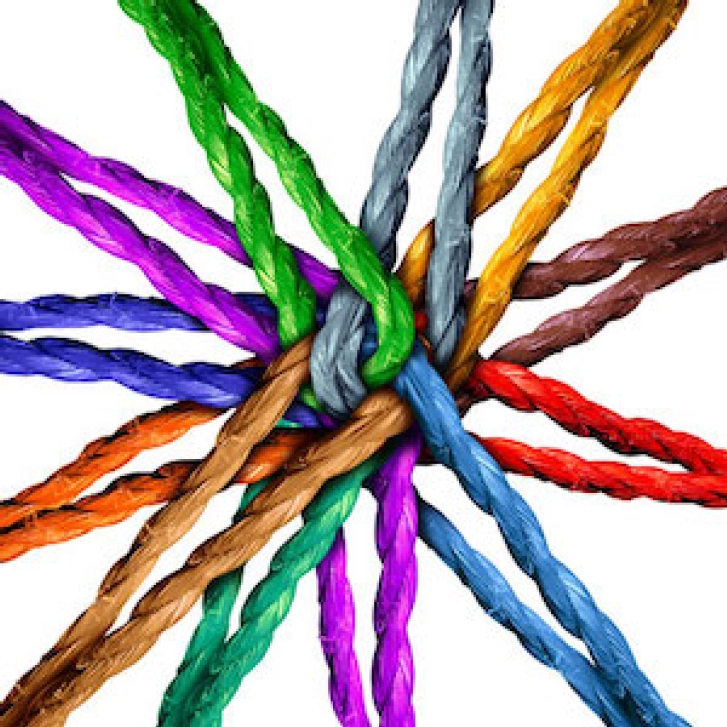
Large-scale social change requires broad cross-sector coordination, not the isolated intervention of individual organizations.

With an understanding of these 10 funding models, nonprofit leaders can use the for-profit world's valuable practice of engaging in succinct and clear conversations about long-term financial strategy.

Conventional wisdom says that scaling social innovation starts with strengthening internal management capabilities. This study of 12 high-impact nonprofits, however, shows that real social change happens when organizations go outside their own walls and find creative ways to enlist the help of others.

Despite the hoopla over microfinance, it doesn't cure poverty. But stable jobs do. If societies are serious about helping the poorest of the poor, they should stop investing in microfinance and start supporting large, labor-intensive industries.