


Queer Activism Goes Online
Astraea’s CommsLabs program combines indigenous knowledge, technology, and healing practices to power the next wave of LGBTQI organizing. From the Summer 2019 issue.
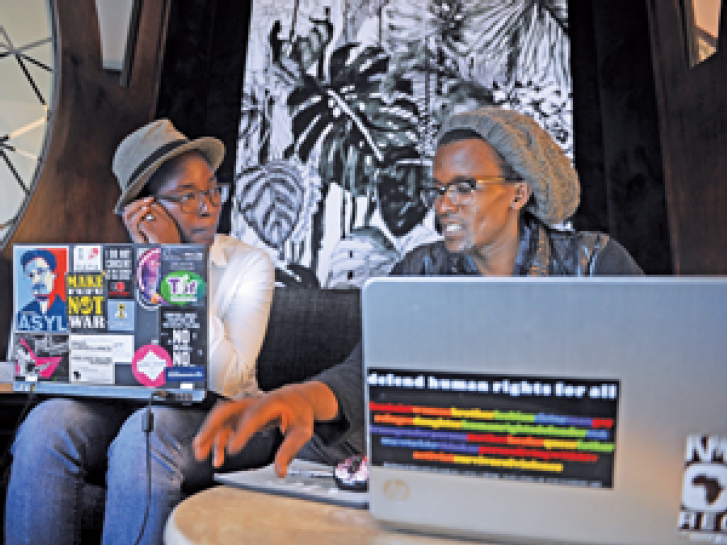
Astraea’s CommsLabs program combines indigenous knowledge, technology, and healing practices to power the next wave of LGBTQI organizing. From the Summer 2019 issue.

For nearly three decades, the Electronic Frontier Foundation has led the fight to protect people’s digital rights, incubating allied organizations and offering free security tools to nonprofits. Can it continue to uphold its mission? From the Summer 2019 issue.

Blockchain has done more than simply enable Chinese social entrepreneurs to improve the transparency, trustworthiness, and fundraising of the country’s charitable causes. It has helped launch a more decentralized and autonomous philanthropic sector.
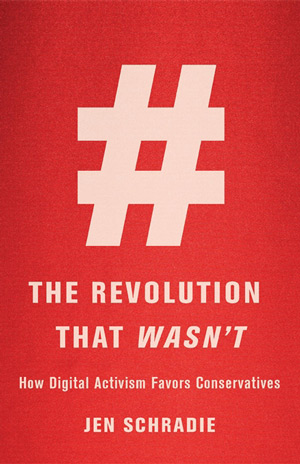
Sociologist Jen Schradie reveals how digital activism empowers defenders of the status quo.
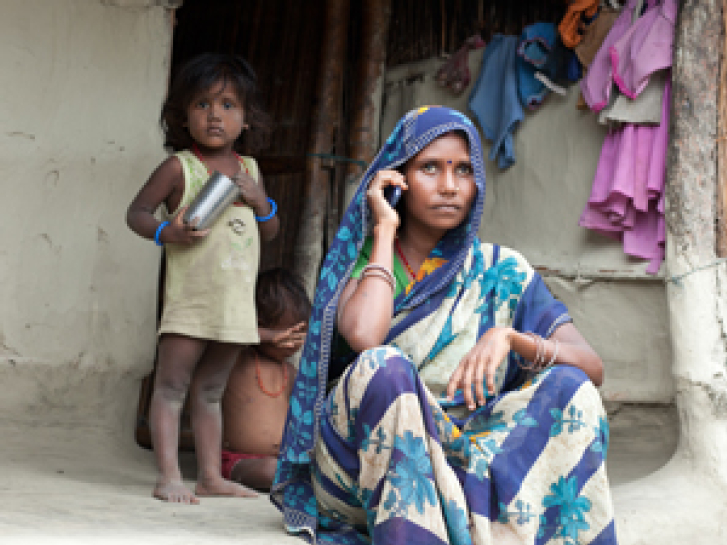
Three lessons from a long-term partnership to reach more than 100 million people with better health care in India.


Five principles based in social science that will help organizations connect their work to what people care most about.

Six pathways to making housing more affordable and available from the Ivory Prize for Housing Affordability.

A recent study found three common barriers to knowledge sharing across nonprofits and their networks, as well as ways and means to overcome them.

Two veterans of consumer psychology, marketing, and entrepreneurship provide a guide to using social media for social change.

Using artificial intelligence to predict behavior can lead to devastating policy mistakes. Health and development programs must learn to apply causal models that better explain why people behave the way they do to help identify the most effective levers for change.