


The Future of Transnational NGO Advocacy
Three perspectives on the future of transnational advocacy, and how organizations can adapt to the challenges of 21st-century campaigning.

Three perspectives on the future of transnational advocacy, and how organizations can adapt to the challenges of 21st-century campaigning.

Not everyone needs to become a tech expert, but all activists and nonprofit leaders must develop skills to inquire about, decide on, and demand technological change.
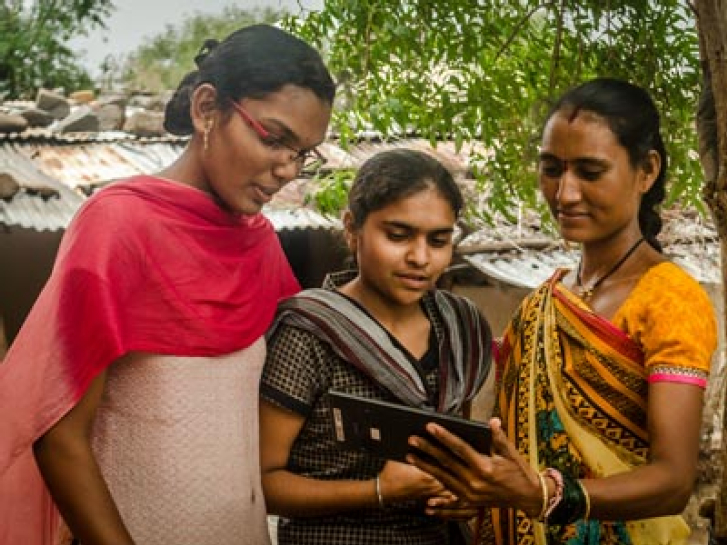
To increase Indian women's participation in the workforce of an increasingly digital world, more of them must obtain access to the internet through cellphones and other technologies.

By taking some simple steps to support women entrepreneurs, accelerator programs like those at the University of California, MIT, and University of San Diego can help reduce notable gender disparities in America's startup landscape.
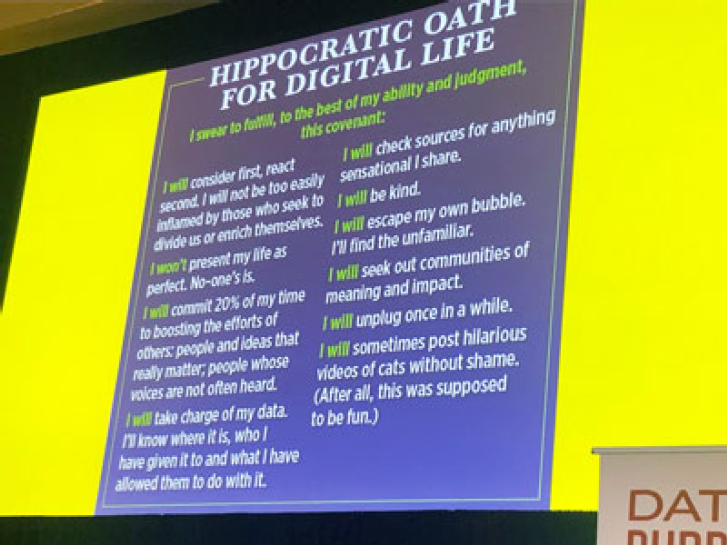
From emphasizing the importance of a data culture to exhorting people to "move thoughtfully and improve things," nonprofit leaders, funders, scholars, and technologists at SSIR's 2019 Data on Purpose Conference provided deep insights into surviving and thriving in an increasingly digital world.


Five principles based in social science that will help organizations connect their work to what people care most about.

Six pathways to making housing more affordable and available from the Ivory Prize for Housing Affordability.

A recent study found three common barriers to knowledge sharing across nonprofits and their networks, as well as ways and means to overcome them.

Two veterans of consumer psychology, marketing, and entrepreneurship provide a guide to using social media for social change.

Using artificial intelligence to predict behavior can lead to devastating policy mistakes. Health and development programs must learn to apply causal models that better explain why people behave the way they do to help identify the most effective levers for change.