
Bridging Skills and Opportunities
Innovative programs are addressing the educational disconnect in the developing world.
Innovative programs are addressing the educational disconnect in the developing world.

Dr. Kohl Gill of LaborVoices discusses the mobile technology platform and how it can foster accountability and communication from supply chain executives to factory floors.
Nonprofit donors and advocates are spending more time online than watching TV—it's time to get their attention.
A report from the 2013 Clinton Global Initiative and Social Good Summit—the trading floors of the new philanthrocapitalism.
A new paper delves into best practices to accelerate broadband adoption for social good.


Five principles based in social science that will help organizations connect their work to what people care most about.

Six pathways to making housing more affordable and available from the Ivory Prize for Housing Affordability.

A recent study found three common barriers to knowledge sharing across nonprofits and their networks, as well as ways and means to overcome them.

Two veterans of consumer psychology, marketing, and entrepreneurship provide a guide to using social media for social change.
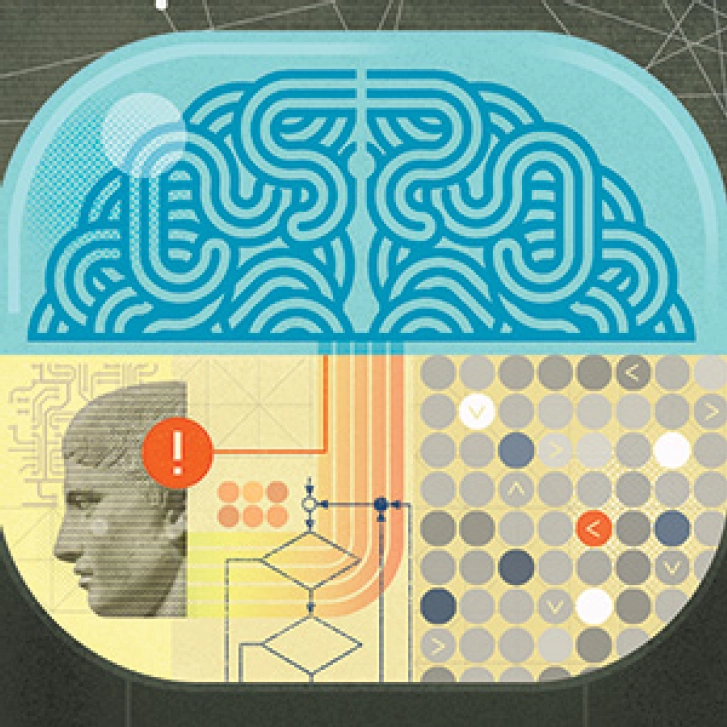
Using artificial intelligence to predict behavior can lead to devastating policy mistakes. Health and development programs must learn to apply causal models that better explain why people behave the way they do to help identify the most effective levers for change.