


-
sponsored
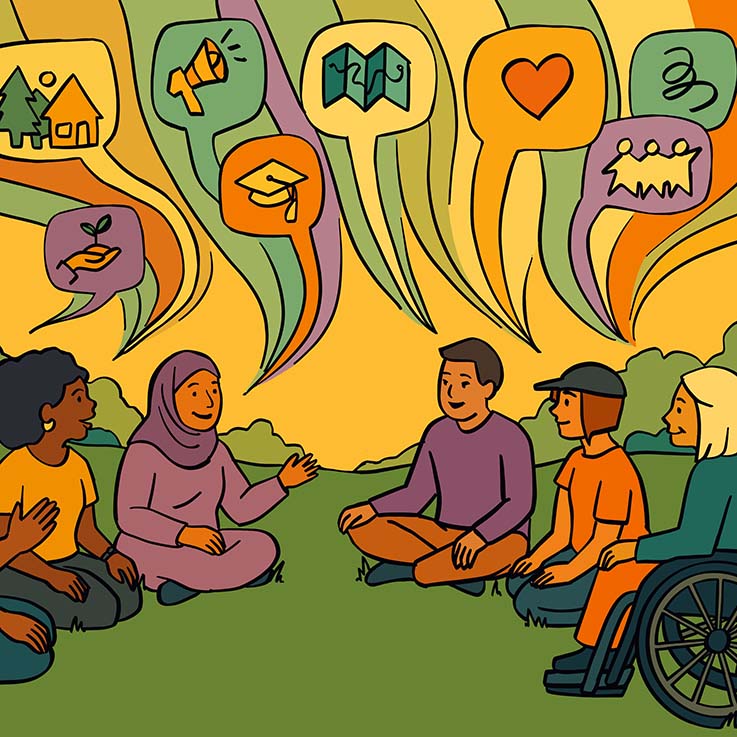
The Urgent Need for Data Equity, Justice, and Sovereignty
Transforming civic data in the United States is critical to improve our collective health and well-being.
-
sponsored
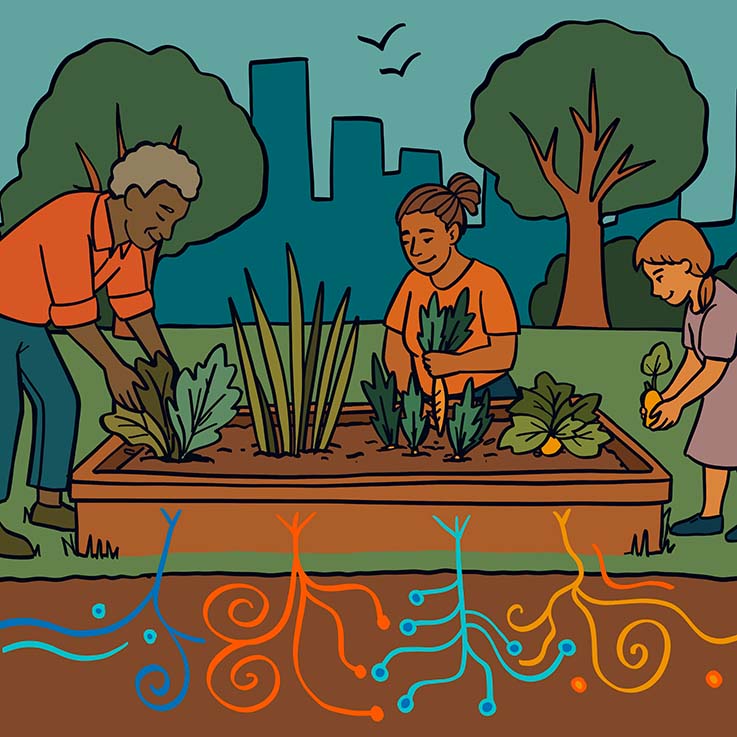
Community Data Is Trusted Evidence
Why our overreliance on dominant data is failing communities and how community data provides a solution.
-

sponsored
Building Trust Through Data Accountability
A values-driven, accountable approach to data isn't optional—it's essential.
You'll get email alerts when there is new content in this series.
sponsored
Transforming Data for Equity and Justice
Data is a powerful tool that affects every part of our lives, especially our individual and collective health. Civic data—a diverse array of data that captures the realities of life and well-being in communities—is used by elected officials, agency leaders, and advocacy organizations to decide what policies are made, how communities are governed, and where resources are invested. Civic data related to our home values, traffic patterns, employment history, and educational attainment is used to inform decisions that affect us all.
Yet this data is often rooted in racist systems and discriminatory assumptions that perpetuate inequities and negatively impact how well and how long we live. Government agencies, private companies, and other powerful institutions gather, control, and use civic data to inform critical decisions that affect us individually and collectively. Rather than being used to enhance our lives, data is frequently leveraged as a tool of oppression, preventing people from accessing opportunities that could help us all flourish and thrive.
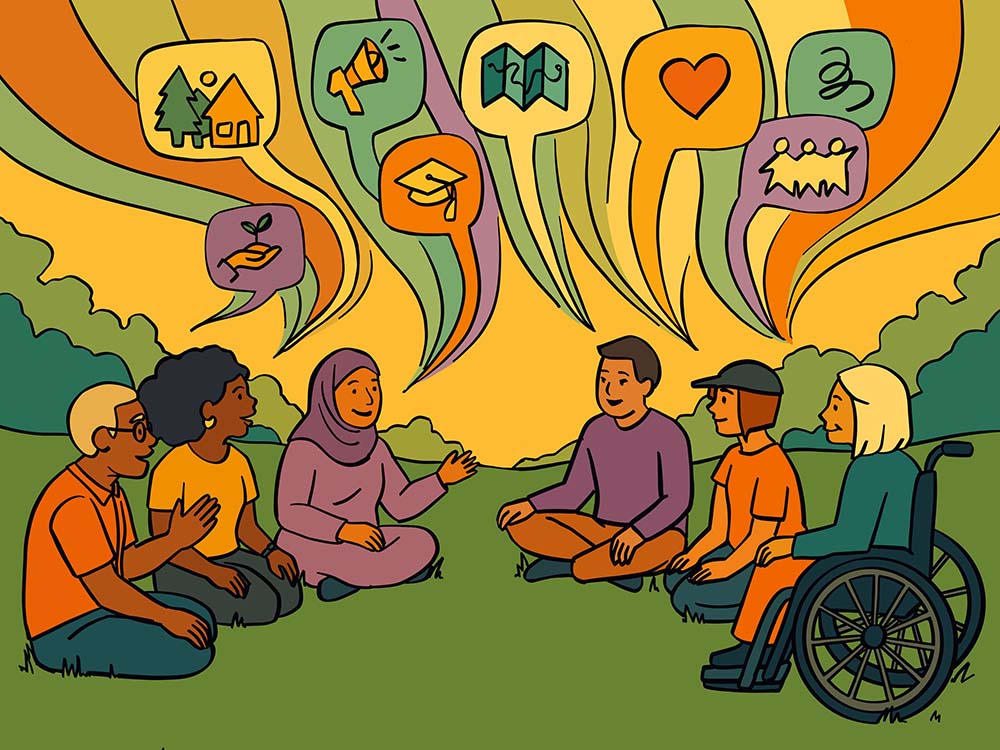
We need a data transformation. Anti-racism, equity, justice, and community power must be at the heart of this transformation. We need more expansive, diverse, and complete data that accurately reflects the realities of people’s lives. The civic data we use for decision-making must go far beyond government surveys and administrative records to include other forms of trusted evidence from communities themselves, including narratives, art, maps, and oral histories. A data transformation is critical to improve community health and well-being and to drive more equitable and just decisions. But to achieve this, we must shift power, resources, and governance to communities that have long been marginalized, as they hold the key to the transformation we need.
This series, sponsored by the de Beaumont Foundation and the Robert Wood Johnson Foundation, is written by the de Beaumont Foundation and its partners. It explores the harm caused by data and discusses how data equity and data justice can improve our lives and drive long-lasting change.
Series production by Zamir Bradford, series illustrations by Jasmin Pamukcu