

Frugal Innovation for Today’s and Tomorrow’s Crises
Organizations that reuse, repurpose, recombine, and rapidly innovate under resource and time pressures can help build a more inclusive and sustainable future.

Organizations that reuse, repurpose, recombine, and rapidly innovate under resource and time pressures can help build a more inclusive and sustainable future.

An excerpt from Upstream asks, What if change happens one name at a time?

How Watson Institute is accelerating the careers of student leaders and entrepreneurs through innovative university partnerships. Part of the Innovating Higher Education series.
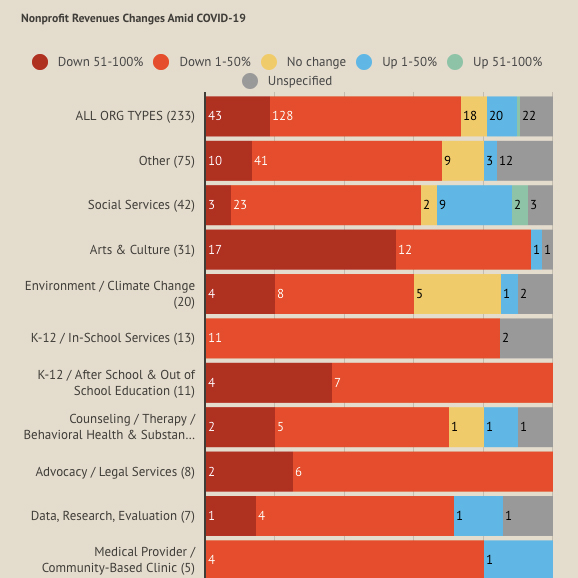
Interactive charts show how hundreds of nonprofits face dramatic changes in their operations and plans as the pandemic continues to upend life around the world. Part of a series on civil society's response to the pandemic.
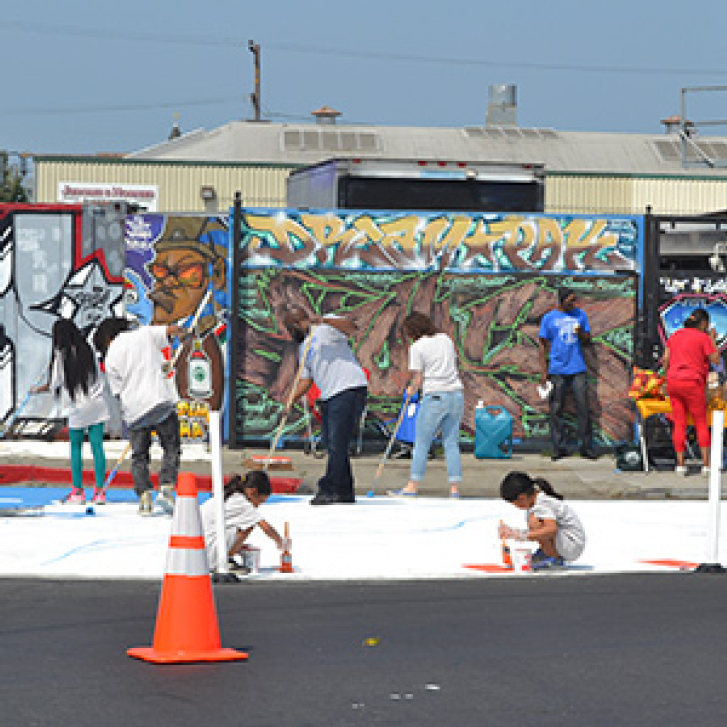
A look at four “housing-plus” initiatives that are building healthy neighborhoods.


Large-scale social change requires broad cross-sector coordination, not the isolated intervention of individual organizations.

Professionalism has become coded language for white favoritism in workplace practices that more often than not leave behind people of color. This is the fourth of 10 articles in a special series about diversity, equity, and inclusion.

Conventional wisdom says that scaling social innovation starts with strengthening internal management capabilities. This study of 12 high-impact nonprofits, however, shows that real social change happens when organizations go outside their own walls and find creative ways to enlist the help of others.

Business leaders play vital roles in the nonprofit sector – as board members, donors, partners, and even executives. Yet all too often they underestimate the unique challenges of managing nonprofit organizations.

The deep changes necessary to accelerate progress against society's most intractable problems require someone who catalyzes collective leadership.