

How 20 Years of Education Reform Has Created Greater Inequality
How standardized testing, gentrification, school choice, and economic downturn have widened inequality to create an existential threat to democracy.

How standardized testing, gentrification, school choice, and economic downturn have widened inequality to create an existential threat to democracy.
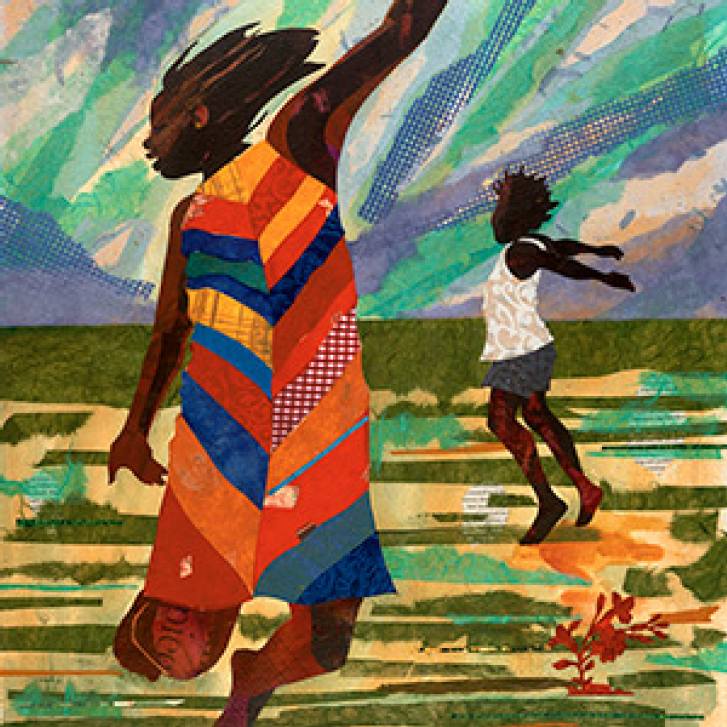
COVID-19 and the horrific murders of George Floyd and other black Americans have amplified the desperate need for the US justice system to be radically reimagined.

How nonprofit and business leaders can equitably and responsibly use AI systems in the fight against COVID-19.
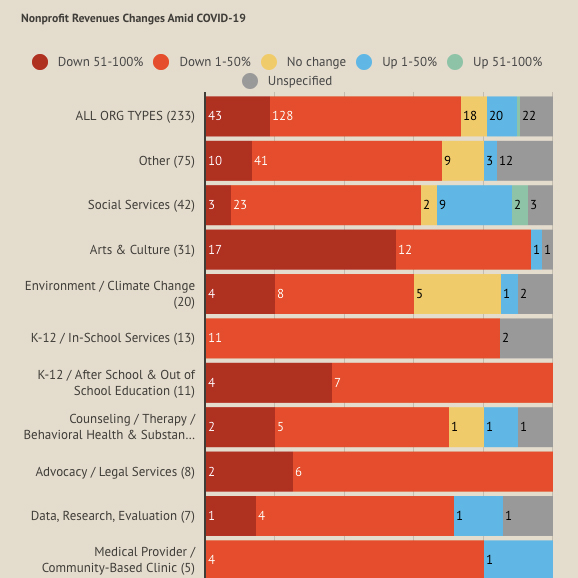
Interactive charts show how hundreds of nonprofits face dramatic changes in their operations and plans as the pandemic continues to upend life around the world. Part of a series on civil society's response to the pandemic.

Breaking down silos means starting from intersectionality and emphasizing climate justice.


Funders are calling for more program evaluation, but nonprofits are often collecting dubious data, at great cost to themselves and ultimately to the people they serve.

Large-scale social change requires broad cross-sector coordination, not the isolated intervention of individual organizations.

For NGOs, impact comes in different forms and to track the cycles of social change work, we must think across the tangibility and the speed of emergence of change.

With an understanding of these 10 funding models, nonprofit leaders can use the for-profit world's valuable practice of engaging in succinct and clear conversations about long-term financial strategy.

Social entrepreneurship is attracting growing amounts of talent, money, and attention, but along with its increasing popularity has come less certainty about what exactly a social entrepreneur is and does.