


When a Business Goes Digital
An excerpt from The Forever Transaction examines how Under Amour transformed its business by going online.
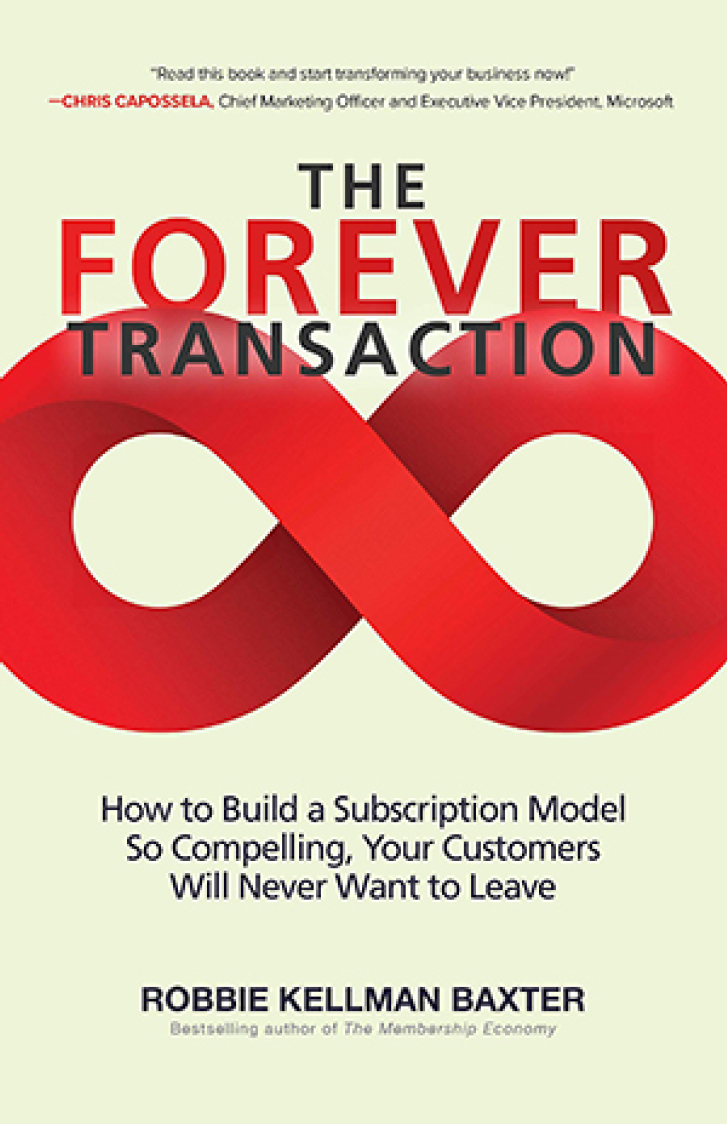
An excerpt from The Forever Transaction examines how Under Amour transformed its business by going online.

Racial bias creeps into all parts of the philanthropic and grantmaking process. The result is that nonprofits led by people of color receive less money than those led by whites, and philanthropy ends up reinforcing the very social ills it says it is trying to overcome.

Why organizations need to examine their social impact, economic viability, and capacity to deliver in order to remain relevant and viable both now and into the future.
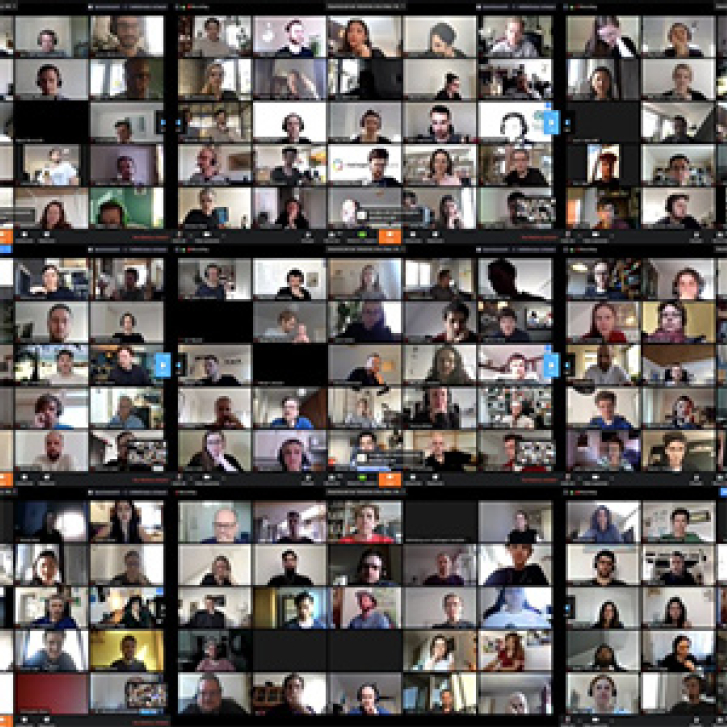
Germany’s first government-hosted crisis hackathon offers seven lessons on how to make the most of a messy-but-promising way to kick-start social innovation.

Nonprofit leaders discuss how their organizations have used technology to better connect with and meet the expectations of their constituents. Part of the Technology for Change series produced by Stanford Social Innovation Review with the support of Salesforce.


Funders are calling for more program evaluation, but nonprofits are often collecting dubious data, at great cost to themselves and ultimately to the people they serve.

Large-scale social change requires broad cross-sector coordination, not the isolated intervention of individual organizations.

For NGOs, impact comes in different forms and to track the cycles of social change work, we must think across the tangibility and the speed of emergence of change.

With an understanding of these 10 funding models, nonprofit leaders can use the for-profit world's valuable practice of engaging in succinct and clear conversations about long-term financial strategy.

Social entrepreneurship is attracting growing amounts of talent, money, and attention, but along with its increasing popularity has come less certainty about what exactly a social entrepreneur is and does.