


Using Design Thinking to Tackle Climate Change When ‘What You Know No Longer Works’
As climate change creates new ambiguity problems for farmers, communities need to better understand and assess their own environments.
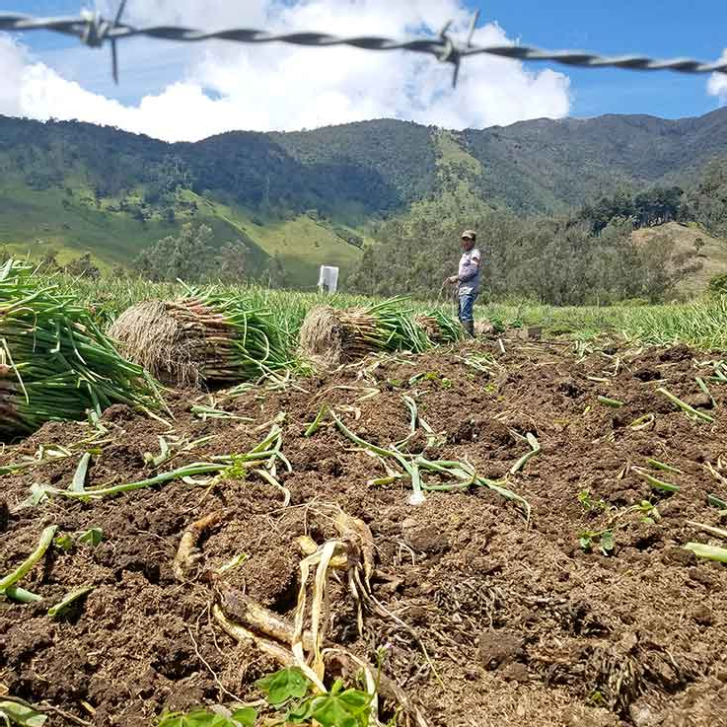
As climate change creates new ambiguity problems for farmers, communities need to better understand and assess their own environments.

To realize the deep systemic change that America is demanding, philanthropy must reorganize to build and demonstrate a trust-based culture, invest in community leadership capacity-building, and open up decision-making and information-sharing structures.

As charitable organizations prepare for donor outreach at the end of a chaotic year marked by COVID-19, a volatile US election, and marches for racial justice, here are 12 articles to help them make the most of their efforts.
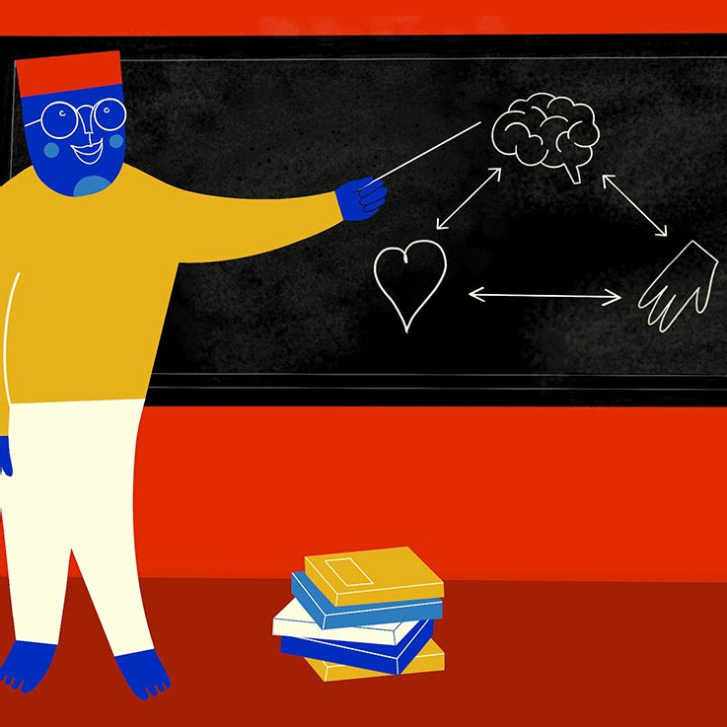
Why social innovation education programs need to develop students’ inner well-being alongside their knowledge of the field, and five principles to help lead the way.

The coronavirus pandemic has shown how digital tools can foster online engagement that leads to real benefits for working people.


Funders are calling for more program evaluation, but nonprofits are often collecting dubious data, at great cost to themselves and ultimately to the people they serve.

Large-scale social change requires broad cross-sector coordination, not the isolated intervention of individual organizations.

For NGOs, impact comes in different forms and to track the cycles of social change work, we must think across the tangibility and the speed of emergence of change.

With an understanding of these 10 funding models, nonprofit leaders can use the for-profit world's valuable practice of engaging in succinct and clear conversations about long-term financial strategy.

Social entrepreneurship is attracting growing amounts of talent, money, and attention, but along with its increasing popularity has come less certainty about what exactly a social entrepreneur is and does.