

sponsored
A New Era for Corporate Philanthropy
An overdue need to address social and health inequities has collided with compounding global crises, forcing businesses to reevaluate their values.
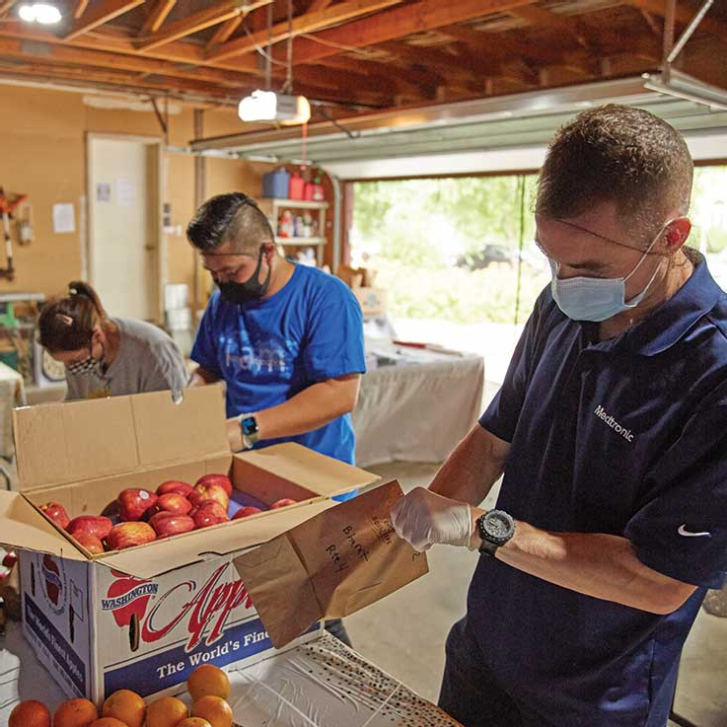
An overdue need to address social and health inequities has collided with compounding global crises, forcing businesses to reevaluate their values.
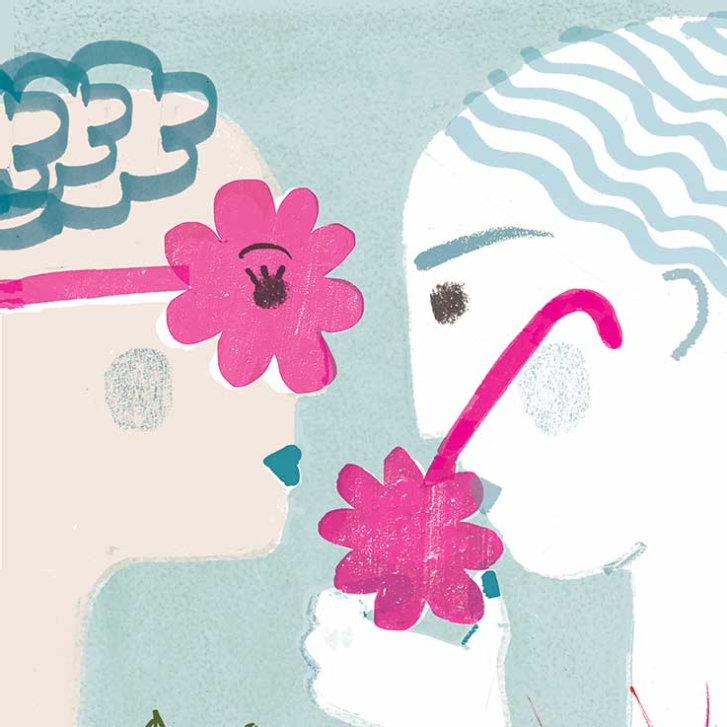
For the past 30 years, celebrated academics and business leaders have promoted the idea that companies often profit by addressing social and environmental problems. Although these proposals have been hailed as promising breakthroughs, they are unscientific and counterproductive.

Six lessons on how corporate philanthropies can strengthen community connection and communications.

To address more complex social challenges, design thinking must become radically more collaborative and oriented toward systems change.

Employees increasingly want their employers to become more responsible corporate citizens. Here is a playbook for how employees can be effective change agents and how leaders can respond to employee activism.
Open-access to this article made possible by The Pennsylvania State University and The University of Washington.


Funders are calling for more program evaluation, but nonprofits are often collecting dubious data, at great cost to themselves and ultimately to the people they serve.

Large-scale social change requires broad cross-sector coordination, not the isolated intervention of individual organizations.
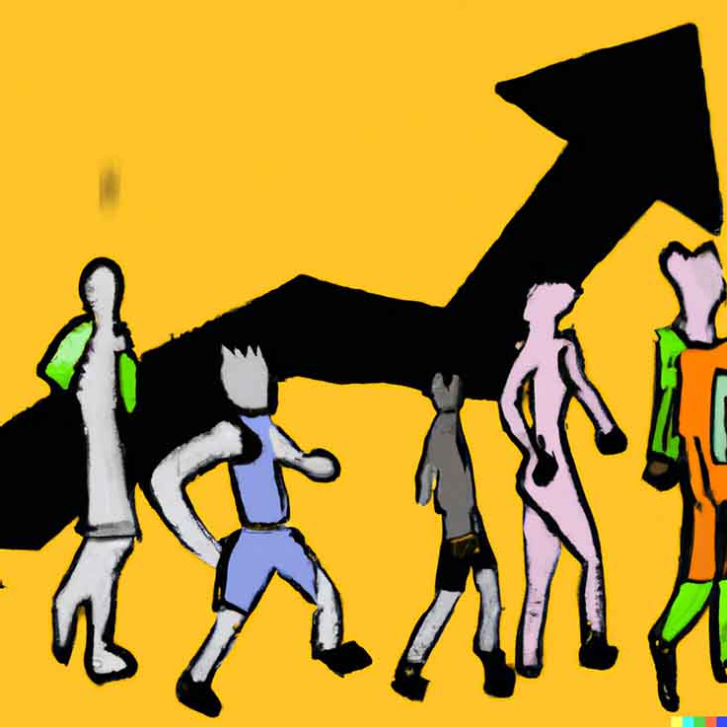
For NGOs, impact comes in different forms and to track the cycles of social change work, we must think across the tangibility and the speed of emergence of change.

With an understanding of these 10 funding models, nonprofit leaders can use the for-profit world's valuable practice of engaging in succinct and clear conversations about long-term financial strategy.

Social entrepreneurship is attracting growing amounts of talent, money, and attention, but along with its increasing popularity has come less certainty about what exactly a social entrepreneur is and does.