


Orchestrating Systems-Level Change in the Battle Against COVID-19
How individuals and coalitions are orchestrating and activating neglected resources to help end the pandemic and build more resilient health systems.

How individuals and coalitions are orchestrating and activating neglected resources to help end the pandemic and build more resilient health systems.
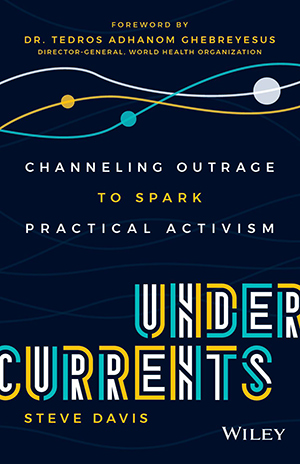
A new book explores politically effective ways each of us can channel outrage and similar emotions as forms of practical activism.

After pro-Trump supporters stormed the US Capitol, how will the United States address many of the issues that underlie the chaos, particularly extreme polarization? This roundup of articles explores ways to take on the unprecedented divides in America.

Those with wealth and privilege are uniquely positioned to support the building and reimagining of our tattered and under-resourced democracy-preserving institutions.

The important issue isn’t the preservation of a large endowment, but how to exercise informed, imaginative, and sensitive judgement in pursuit of outcomes for the common good. This essay is a response to the keystone article in the Up for Debate series on foundations' payouts during big crises. Visit the series page for more reaction pieces like this one.


Funders are calling for more program evaluation, but nonprofits are often collecting dubious data, at great cost to themselves and ultimately to the people they serve.

Large-scale social change requires broad cross-sector coordination, not the isolated intervention of individual organizations.

For NGOs, impact comes in different forms and to track the cycles of social change work, we must think across the tangibility and the speed of emergence of change.

With an understanding of these 10 funding models, nonprofit leaders can use the for-profit world's valuable practice of engaging in succinct and clear conversations about long-term financial strategy.

Professionalism has become coded language for white favoritism in workplace practices that more often than not leave behind people of color. This is the fourth of 10 articles in a special series about diversity, equity, and inclusion.