


Stepping Up to Stop Hate Online
How US civil society groups and lawmakers can help end social media complicity in the spread of hatred, harassment, and bigotry.

How US civil society groups and lawmakers can help end social media complicity in the spread of hatred, harassment, and bigotry.

A collection of SSIR articles about collective impact to mark the publication of a seminal article on the practice a decade ago.

Foundations and impact investors need to face the ways they are complicit in perpetuating inequality through their capital allocations, and upend five structural investment barriers to better serve women and people of color.
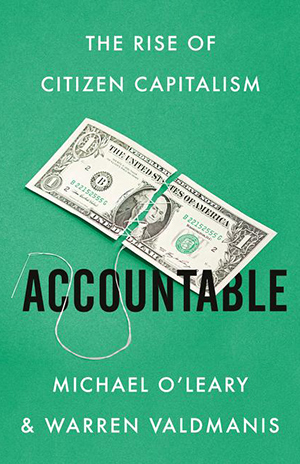
Accountable calls for a new form of ethical capitalism. In the following excerpt, authors Michael O’Leary and Warren Valdmanis unpack the ethics of the trade-off.
SSIR has stopped accepting submissions for its second series on diversity, equity, and inclusion (DEI).


Funders are calling for more program evaluation, but nonprofits are often collecting dubious data, at great cost to themselves and ultimately to the people they serve.

Large-scale social change requires broad cross-sector coordination, not the isolated intervention of individual organizations.

For NGOs, impact comes in different forms and to track the cycles of social change work, we must think across the tangibility and the speed of emergence of change.

With an understanding of these 10 funding models, nonprofit leaders can use the for-profit world's valuable practice of engaging in succinct and clear conversations about long-term financial strategy.

Professionalism has become coded language for white favoritism in workplace practices that more often than not leave behind people of color. This is the fourth of 10 articles in a special series about diversity, equity, and inclusion.