


Investing in Menstrual Health Is an Investment in Global Health
Because it cuts across distinct sectors, menstrual health and hygiene (MHH) is a much more complex and difficult public health issue than many realize.
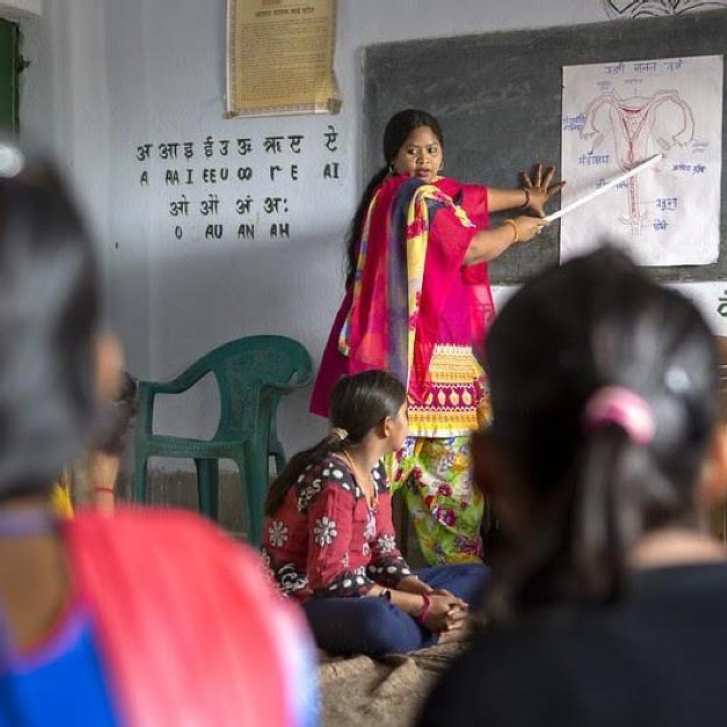
Because it cuts across distinct sectors, menstrual health and hygiene (MHH) is a much more complex and difficult public health issue than many realize.

Families that use successful multi-generational giving strategies can make an impact on important issues, foster a tradition of philanthropy, and deepen their relationships. SSIR publisher Michael Voss speaks with Suzanne Wheeler from Mariner Wealth Advisors and Mary Jovanovich from Schwab Charitable. A sponsored podcast developed with the support of DAFgiving360.

Three unique challenges facing successors who take over from ambitious founder-predecessors, and how to navigate them during the already difficult period of transition.

With looming global crises, scholars now more than ever must connect finance to its role in achieving social and environmental goals. Here are five ways they can step up their teaching and research.

A seamless CEO handoff requires that founders of social impact organizations balance their public image with their organization’s brand, while providing space for their teams to shine early on.


Funders are calling for more program evaluation, but nonprofits are often collecting dubious data, at great cost to themselves and ultimately to the people they serve.

Large-scale social change requires broad cross-sector coordination, not the isolated intervention of individual organizations.

For NGOs, impact comes in different forms and to track the cycles of social change work, we must think across the tangibility and the speed of emergence of change.

With an understanding of these 10 funding models, nonprofit leaders can use the for-profit world's valuable practice of engaging in succinct and clear conversations about long-term financial strategy.

Professionalism has become coded language for white favoritism in workplace practices that more often than not leave behind people of color. This is the fourth of 10 articles in a special series about diversity, equity, and inclusion.