


How Technology Shapes Social Movements
In an excerpt from The Future of Change, Ray Brescia analyzes how VAWA proponents used digital platforms to broaden their message and support.
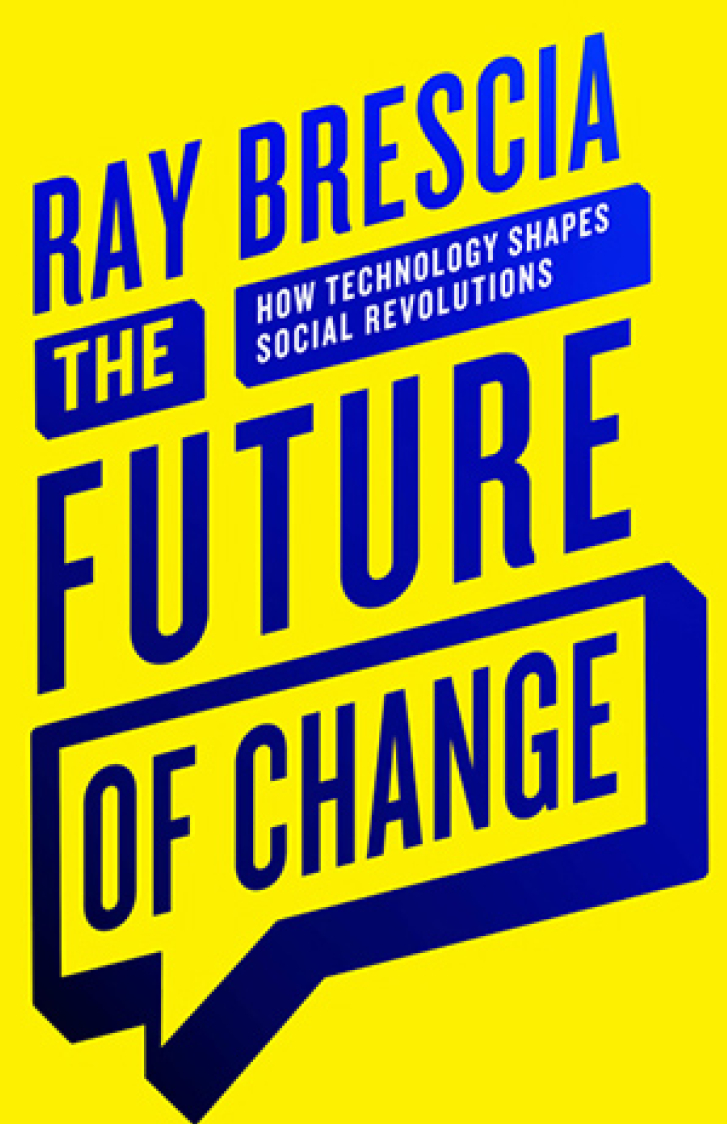
In an excerpt from The Future of Change, Ray Brescia analyzes how VAWA proponents used digital platforms to broaden their message and support.

Impact investing, with its goal of delivering both financial value and social benefits, is particularly vulnerable to cognitive biases. Here are a few ways to overcome them. Part of the Impact Investing Today and Tomorrow in-depth series.

Building a shared sense of responsibility at Miami Dade College begins with empathy, reflection, and closing the gap between students and staff. Part of the Innovating Higher Education series.
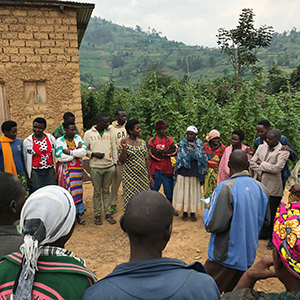
Funders can build on “constituent engagement” by supporting peer groups as they lead their own change and work collectively to advance their lives.

Organizations that reuse, repurpose, recombine, and rapidly innovate under resource and time pressures can help build a more inclusive and sustainable future.


Funders are calling for more program evaluation, but nonprofits are often collecting dubious data, at great cost to themselves and ultimately to the people they serve.

Large-scale social change requires broad cross-sector coordination, not the isolated intervention of individual organizations.

For NGOs, impact comes in different forms and to track the cycles of social change work, we must think across the tangibility and the speed of emergence of change.

With an understanding of these 10 funding models, nonprofit leaders can use the for-profit world's valuable practice of engaging in succinct and clear conversations about long-term financial strategy.

Professionalism has become coded language for white favoritism in workplace practices that more often than not leave behind people of color. This is the fourth of 10 articles in a special series about diversity, equity, and inclusion.