

Sesame Workshop, Winner of 100&Change Grant Competition, Discusses What’s Next
A conversation with MacArthur Foundation "big bet" winner Sesame Workshop.
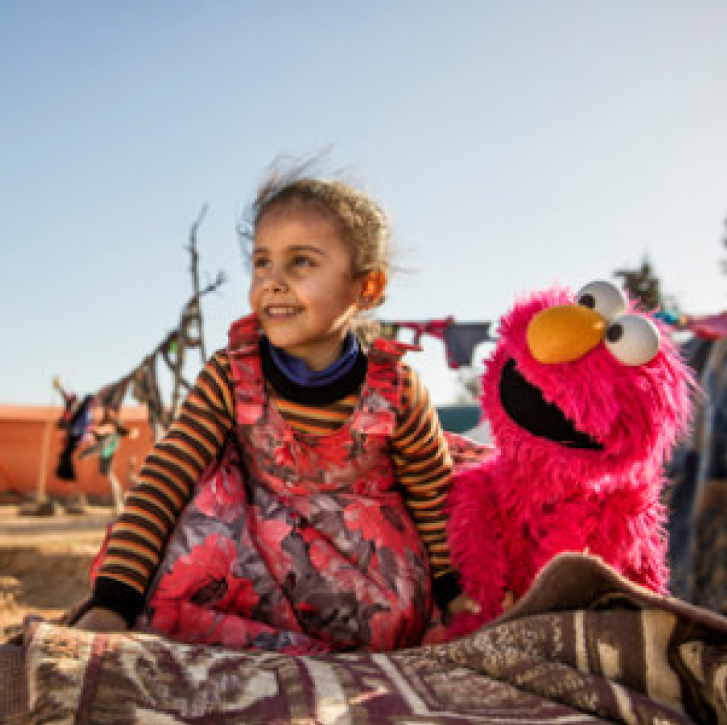
A conversation with MacArthur Foundation "big bet" winner Sesame Workshop.
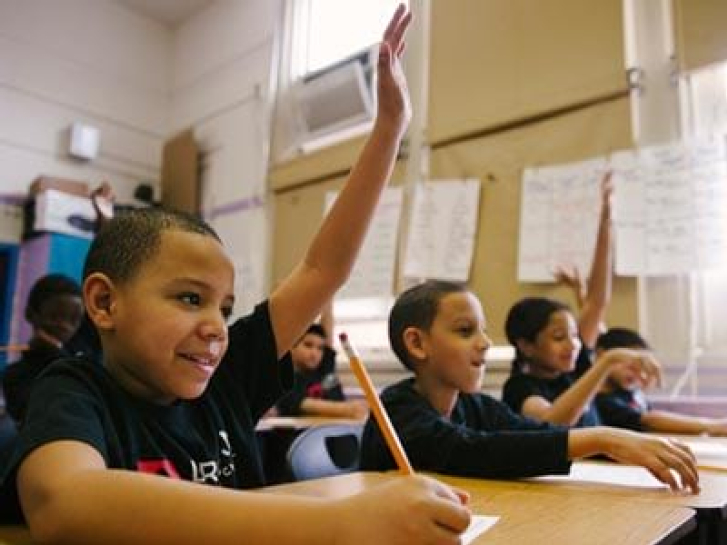
Four takeaways from a recent nonprofit survey, and how the broader social sector should respond.
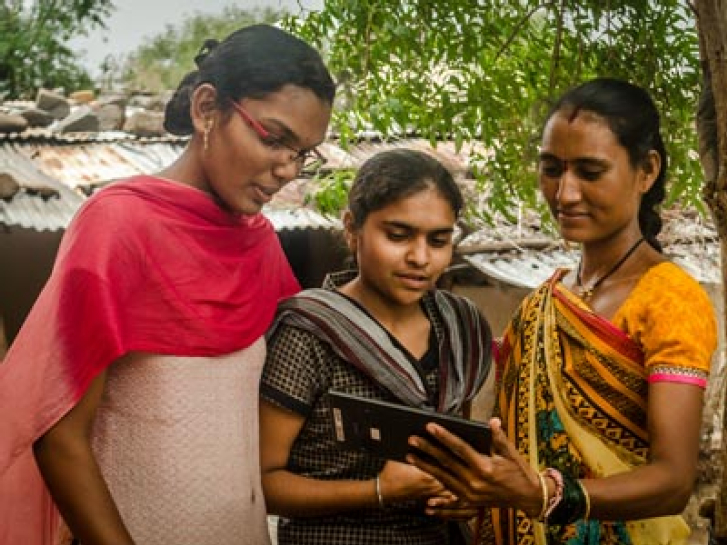
To increase Indian women's participation in the workforce of an increasingly digital world, more of them must obtain access to the internet through cellphones and other technologies.
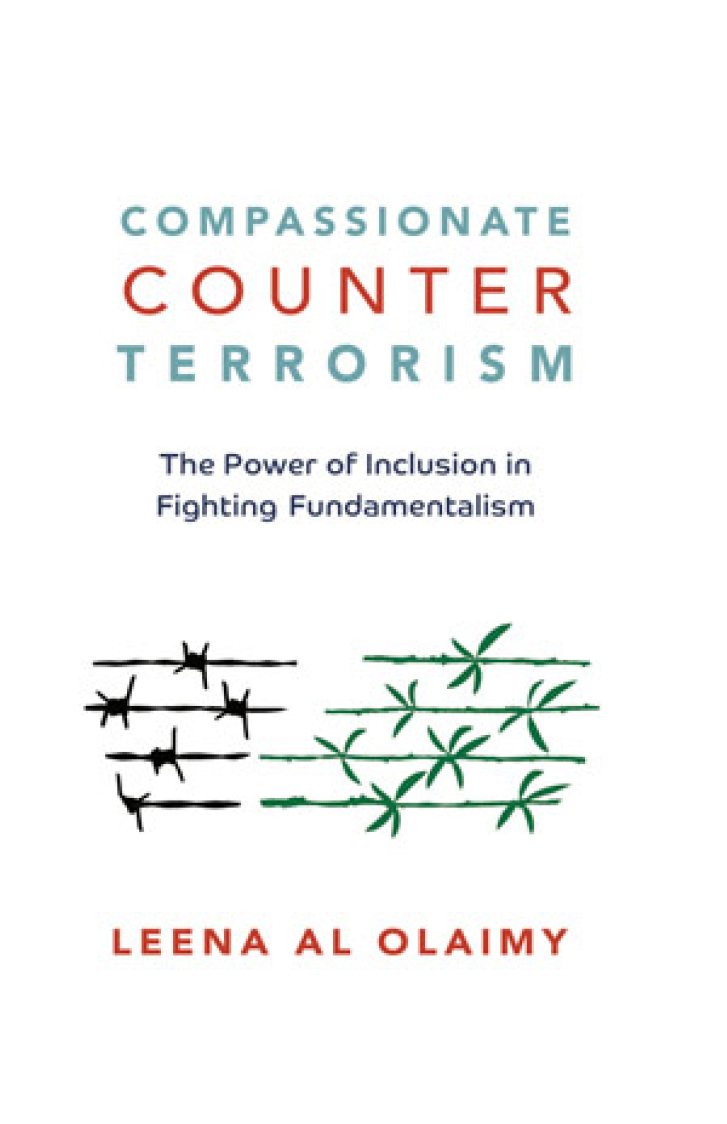
An excerpt from Compassionate Counterterrorism highlights development-based interventions that have deterred terrorist recruitment.
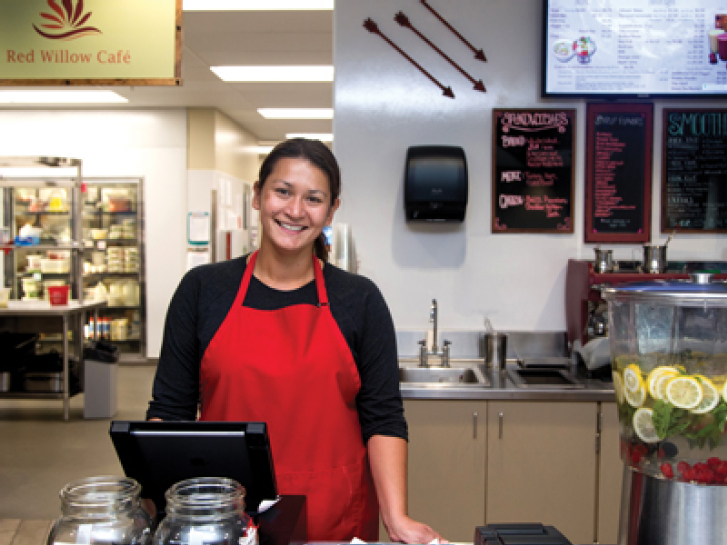
How building relationships with Native communities can lead to economic and culturally grounded social impact for the long term.


Funders are calling for more program evaluation, but nonprofits are often collecting dubious data, at great cost to themselves and ultimately to the people they serve.

Large-scale social change requires broad cross-sector coordination, not the isolated intervention of individual organizations.
For NGOs, impact comes in different forms and to track the cycles of social change work, we must think across the tangibility and the speed of emergence of change.

With an understanding of these 10 funding models, nonprofit leaders can use the for-profit world's valuable practice of engaging in succinct and clear conversations about long-term financial strategy.

Professionalism has become coded language for white favoritism in workplace practices that more often than not leave behind people of color. This is the fourth of 10 articles in a special series about diversity, equity, and inclusion.