

Finding the Sweet Spot for Innovation Within Government Systems
Three guiding principles for NGOs looking to find where they best fit within government-run systems and ensure long-term impact.

Three guiding principles for NGOs looking to find where they best fit within government-run systems and ensure long-term impact.

By wielding their deep experience in distressed local communities and using four methods for channeling investment into marginalized regions, foundations can play a deciding role in the success of the Opportunity Zone federal tax incentive.

As donor-advised funds increase in popularity, the people who use them are poised to advance the practice of listening to the organizations and individuals they are trying to help. Part of a series produced for SSIR with the support of the Hewlett Foundation.
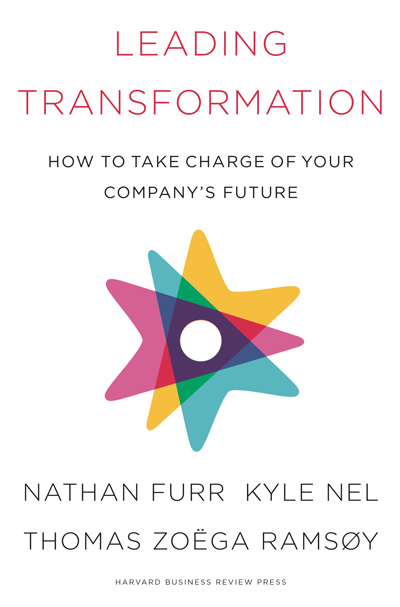
An excerpt from Leading Transformation on the "Behavioral Innovation Manifesto."

The European Commission’s new plan for sustainable finance makes important strides toward connecting the financial industry with social and environmental goals, but social innovators should weigh in.


Funders are calling for more program evaluation, but nonprofits are often collecting dubious data, at great cost to themselves and ultimately to the people they serve.

Large-scale social change requires broad cross-sector coordination, not the isolated intervention of individual organizations.

For NGOs, impact comes in different forms and to track the cycles of social change work, we must think across the tangibility and the speed of emergence of change.

With an understanding of these 10 funding models, nonprofit leaders can use the for-profit world's valuable practice of engaging in succinct and clear conversations about long-term financial strategy.

Professionalism has become coded language for white favoritism in workplace practices that more often than not leave behind people of color. This is the fourth of 10 articles in a special series about diversity, equity, and inclusion.