

Wearing It Well (for Good)
With Kid Power, the U.S. Fund for UNICEF is using technology to leverage children’s desire to help other children.

With Kid Power, the U.S. Fund for UNICEF is using technology to leverage children’s desire to help other children.

The quest to build an infrastructure for measuring social impact depends on targeting the right customers.

For nearly a quarter century, a network of research and advocacy groups has kept a close eye on US state-level policymaking.
Innovation is more than a good idea—it’s a patient process of iteration, learning, evaluation, implementation, and, importantly, scaling up what works.

In a world increasingly focused on measurable impact, human rights inequities are difficult to frame and fight. Yet solving them is key to meeting other social challenges


Funders are calling for more program evaluation, but nonprofits are often collecting dubious data, at great cost to themselves and ultimately to the people they serve.

Large-scale social change requires broad cross-sector coordination, not the isolated intervention of individual organizations.
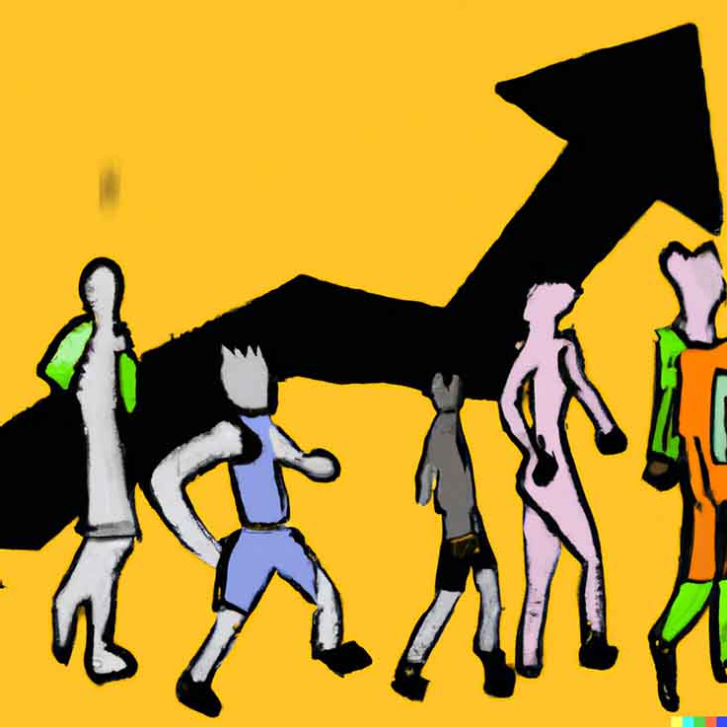
For NGOs, impact comes in different forms and to track the cycles of social change work, we must think across the tangibility and the speed of emergence of change.

With an understanding of these 10 funding models, nonprofit leaders can use the for-profit world's valuable practice of engaging in succinct and clear conversations about long-term financial strategy.

Professionalism has become coded language for white favoritism in workplace practices that more often than not leave behind people of color. This is the fourth of 10 articles in a special series about diversity, equity, and inclusion.